

Year
Location
Type
Area
Services
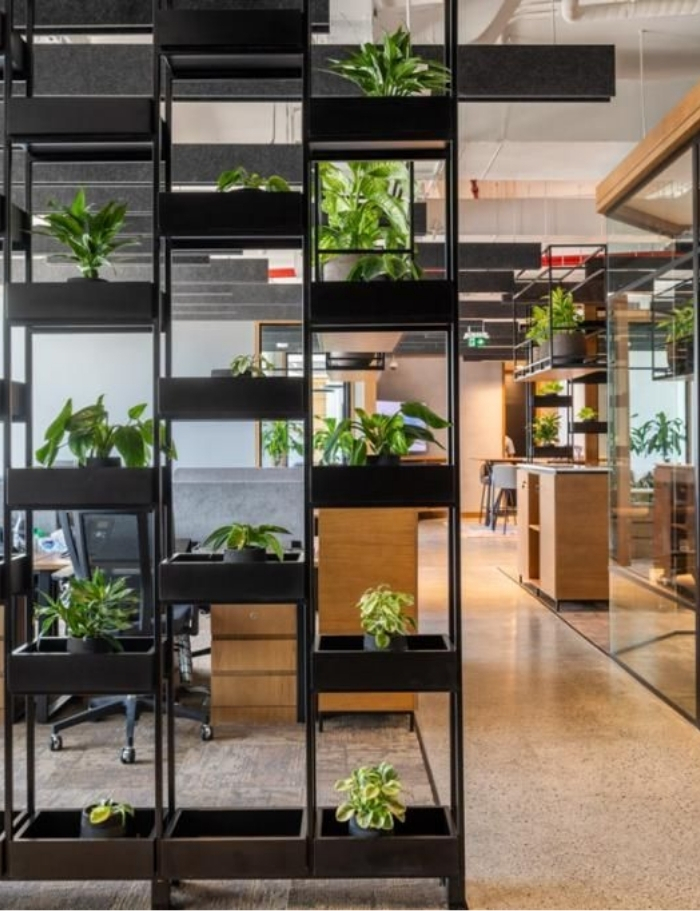
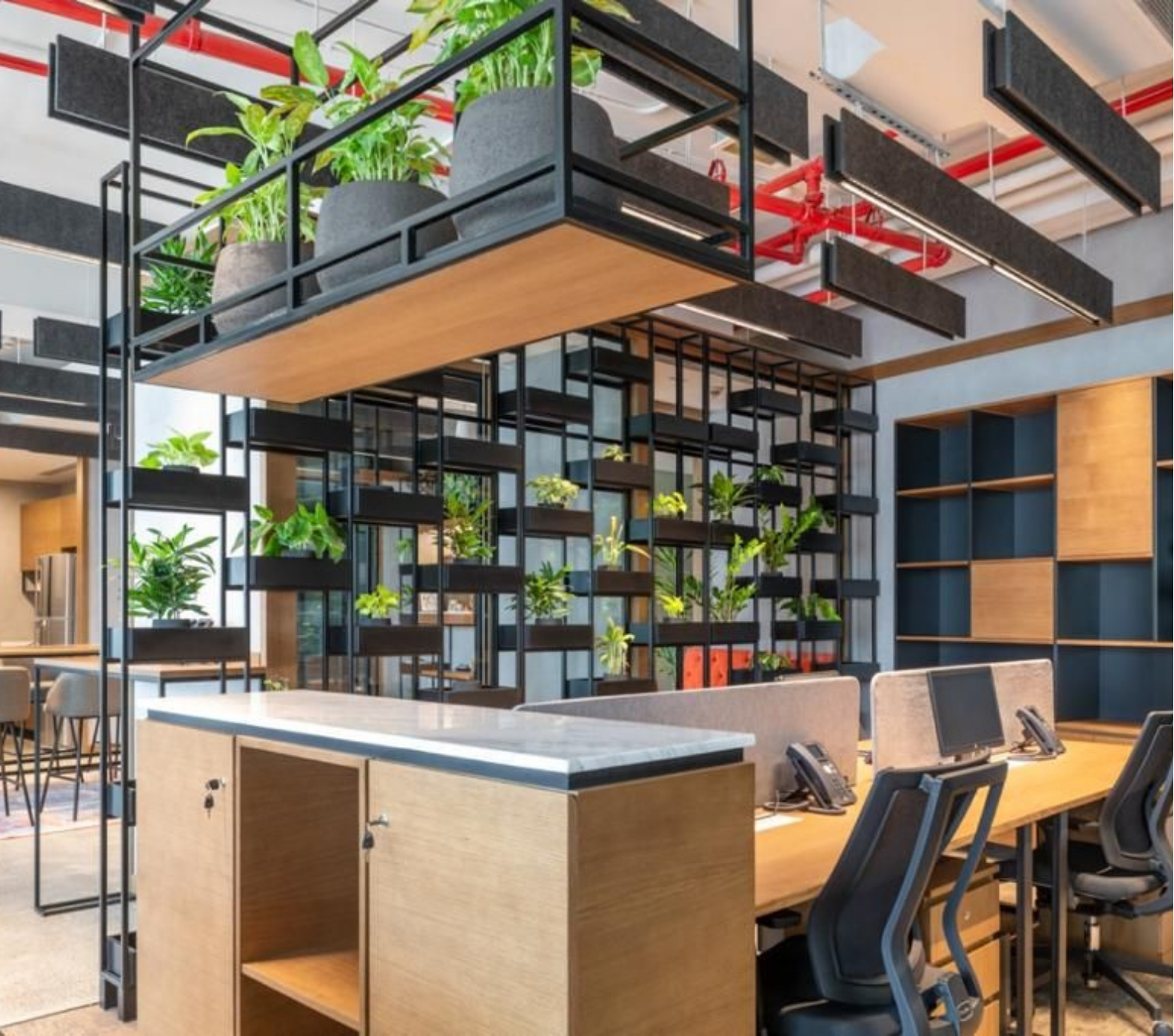
A contemporary, fluid workplace shaped by open planning, natural materials, and daylight.
A contemporary workplace for a global business house, Opus Millennium International is designed to facilitate constant exchange between teams, disciplines, and geographies. The brief called for an environment that could accommodate both fixed and fluid modes of working—supporting meetings, collaboration, and focused tasks without reverting to rigid corporate hierarchies.
Responding to the building’s sculptural glass envelope and its dark, monochromatic interior shell, the design introduces an earthy, natural expression of materials as a counterpoint, with a palette of wood, metal, concrete, and exposed services. These materials are thoughtfully layered to create warmth and texture while maintaining a refined, contemporary, and global language.
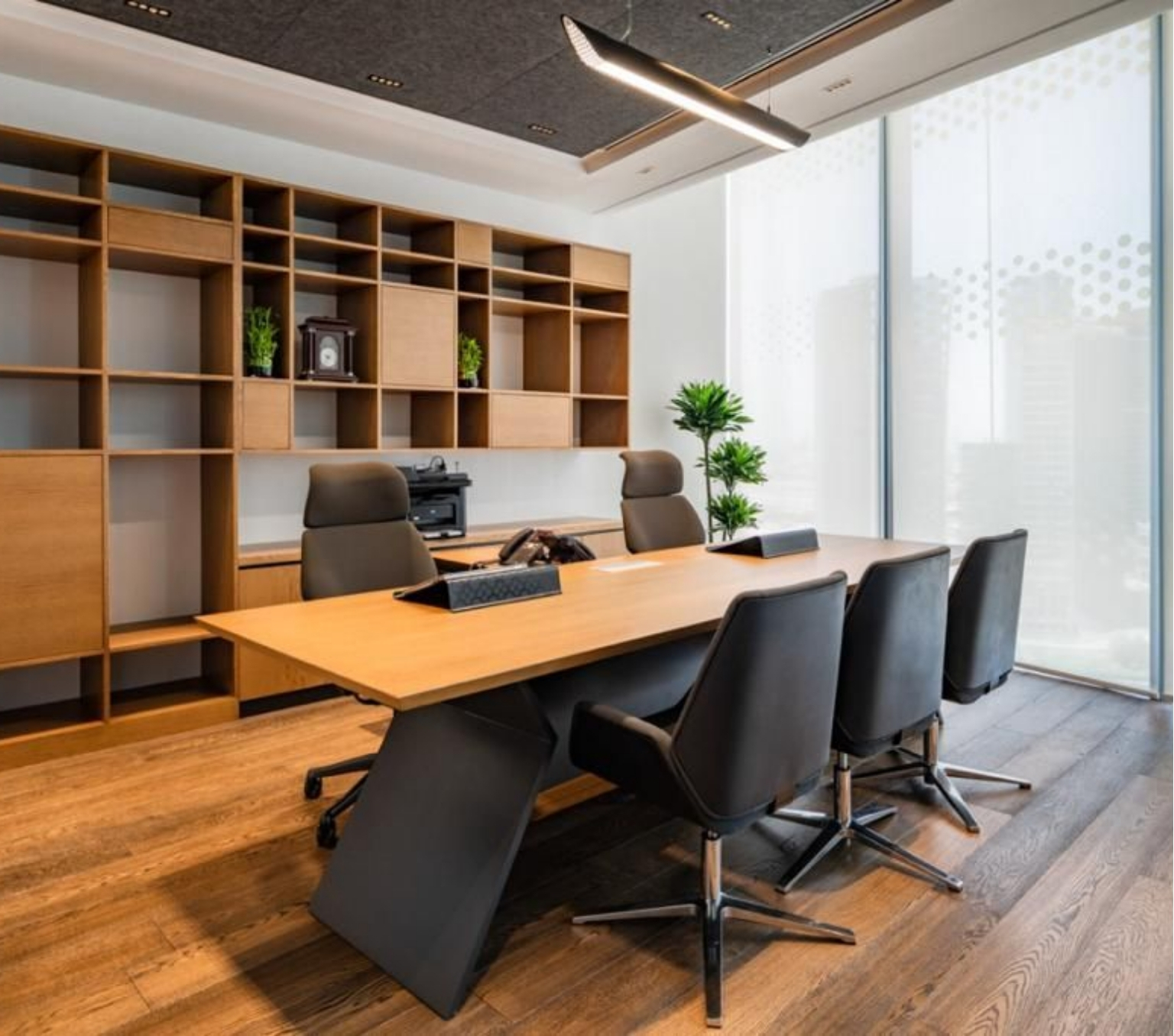
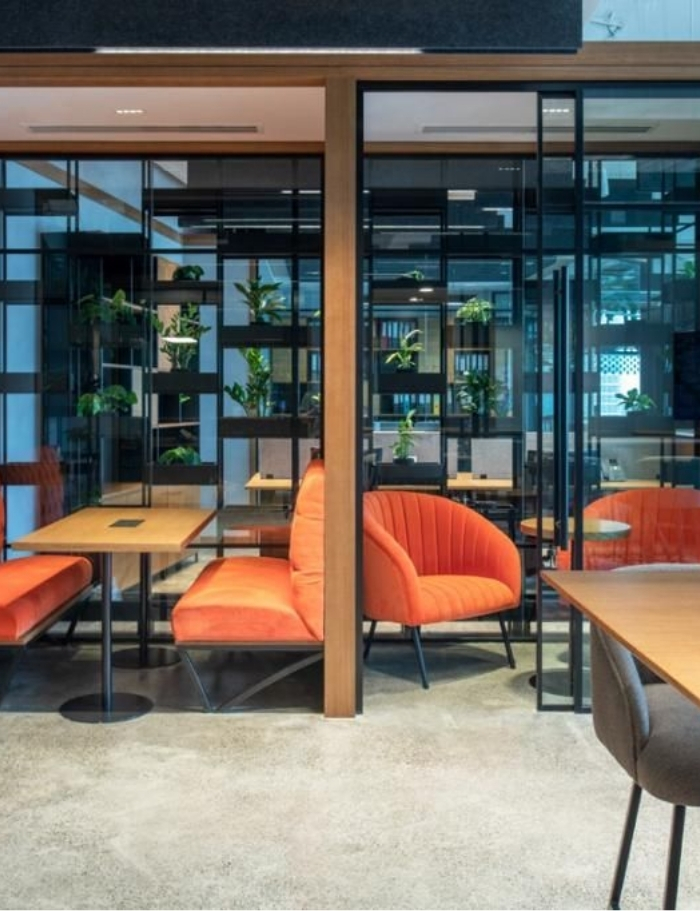
The spatial planning across the workplace is fluid, open, and intuitive. The reception area spills into the café, which in turn transitions into meeting areas, workstations, and informal lounges, blurring the boundaries between formal and social zones. This continuity encourages movement, interaction, and spontaneity, allowing the workplace to adapt to changing patterns of use throughout the day. Rather than isolating functions, spaces overlap and flow, fostering a sense of openness without compromising functionality. Workstations, meeting spaces, and lounges are organised to ensure equitable access to natural light, enhancing the sense of openness and well-being at each level. Daylight also supports comfort and focus while reducing reliance on artificial lighting, contributing to an energy-conscious environment.
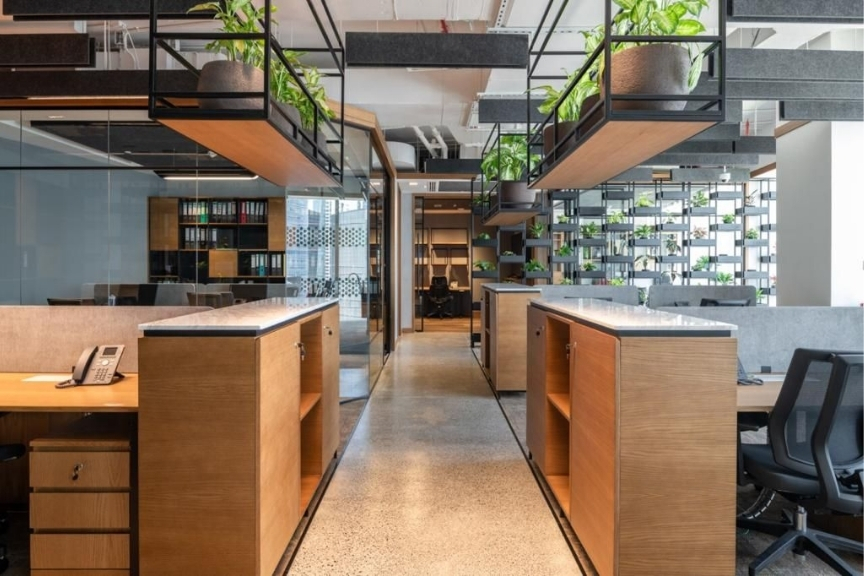
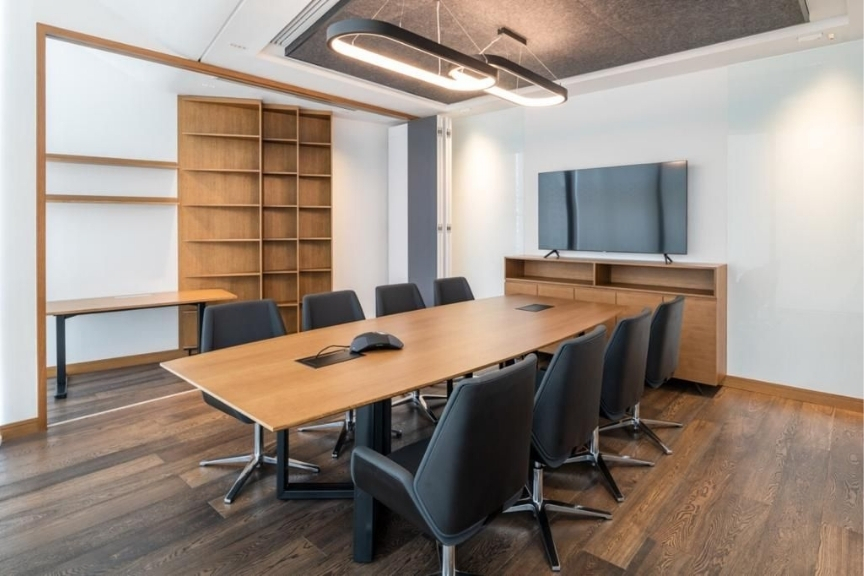
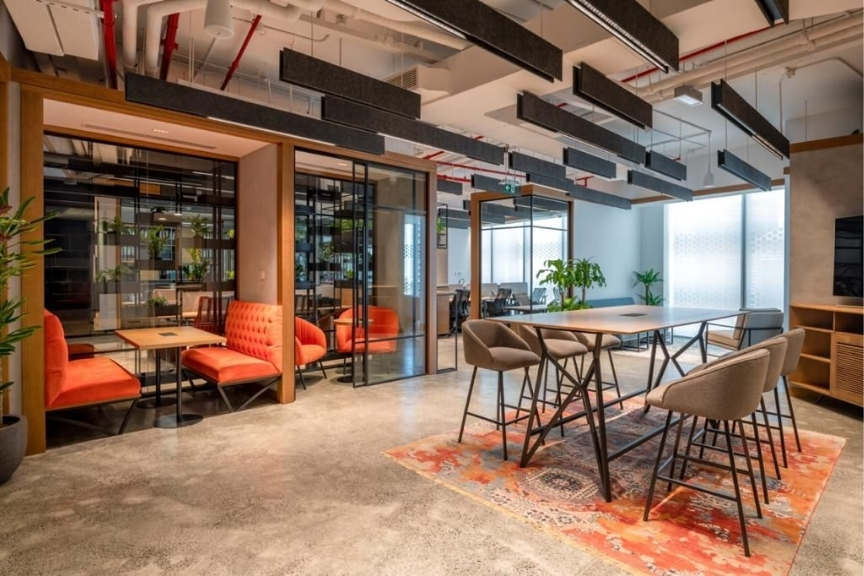
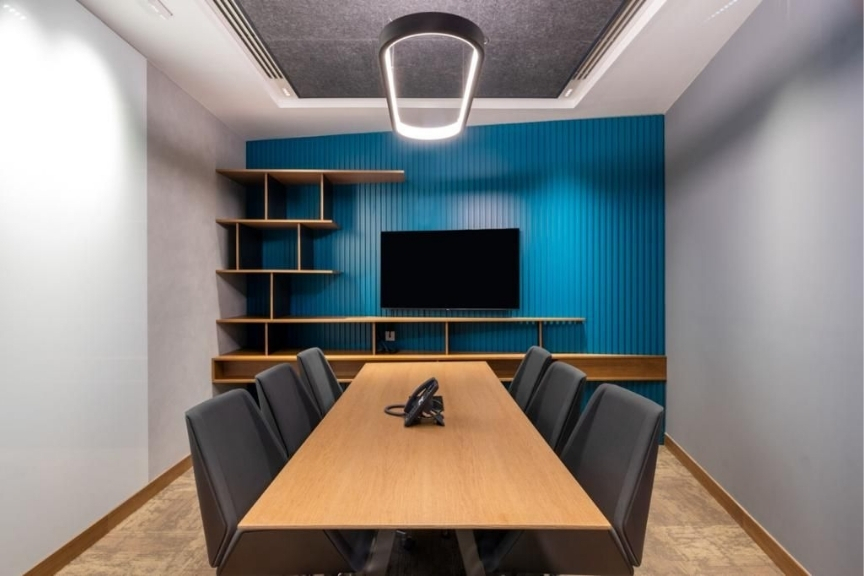
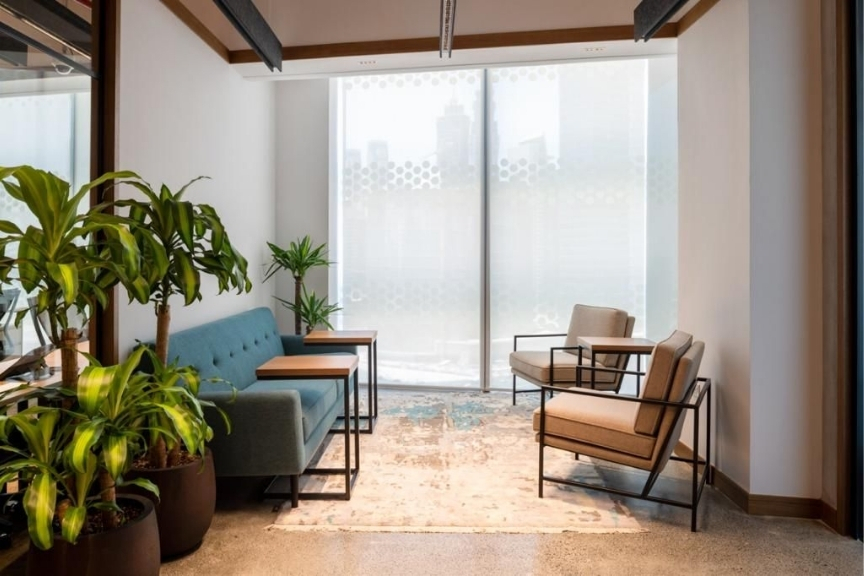
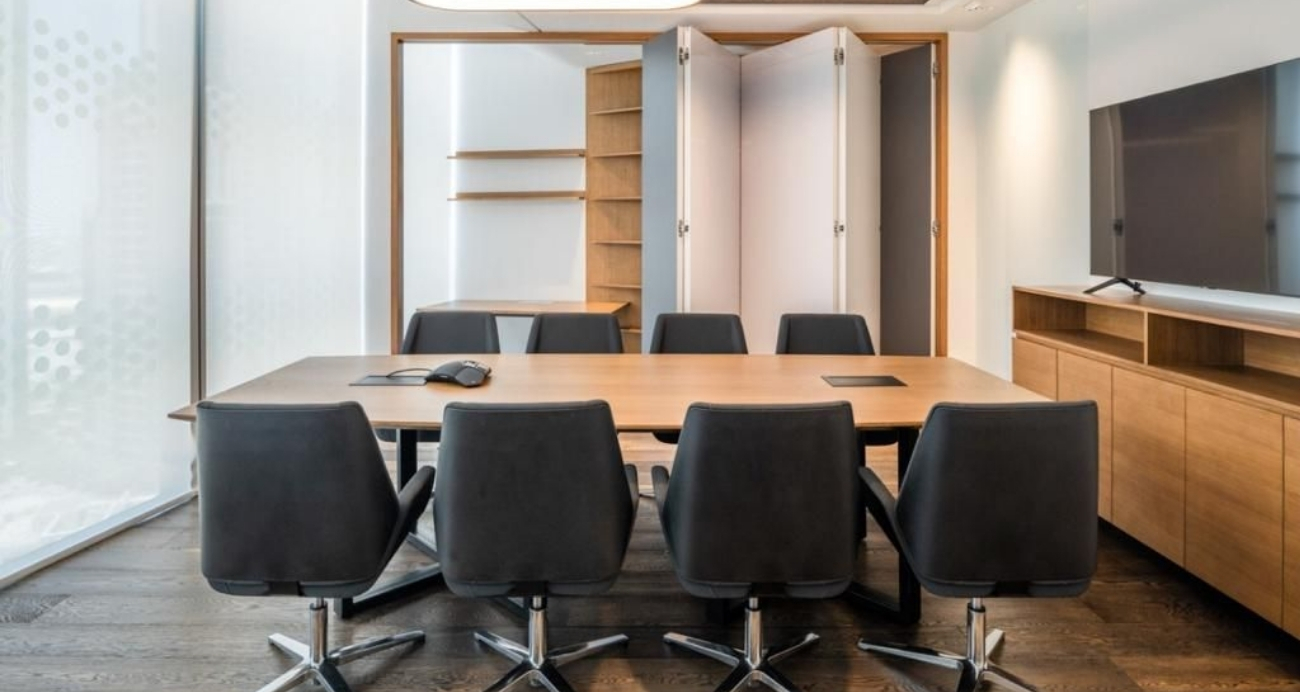
Greenery is designed as an integral part of the workspace, balancing the industrial material palette and introducing moments of pause and privacy within the open plan. Rugs are used to layer interiors with warmth, improve acoustics, and subtly define zones without physical partitions. Given the layout’s openness and flexibility, acoustic performance becomes integral to the design. Acoustic treatments and detailing allow conversations, meetings, and collaborative work to coexist without disruption, ensuring that openness does not come at the cost of comfort or concentration. Together, these elements create a fluid, tactile, sensorial experience that softens the building’s sharper and angular architectural expression.
The design of Opus Millennium International balances fluidity with control, with the careful orchestration of natural light, materials, and spatial flow supporting a dynamic yet calm, optimally functional work environment.
Related Work
Stay Connected
Subscribe to our newsletter for exclusive insights, project updates, and design trends.