Each October, World Architecture Day invites architects and citizens to pause and ask: what kind of world are we building together? In 2025, the International Union of Architects calls on the profession to Design for Strength. This theme frames architecture as a civic act capable of withstanding shocks, adapting over time, and enabling communities to recover with dignity.
At groupDCA, we read “strength” beyond the structural capacity. It is social, cultural, climatic, and operational. It shows up in how spaces hold families and neighbourhoods together, how buildings breathe with the climate, and how projects evolve without waste. It is visible in restraint, repairing and recalibrating before replacing, and in clarity: choosing materials and assemblies that endure, can be maintained, and age well. Across our recent work, these ideas translate into tangible strategies.
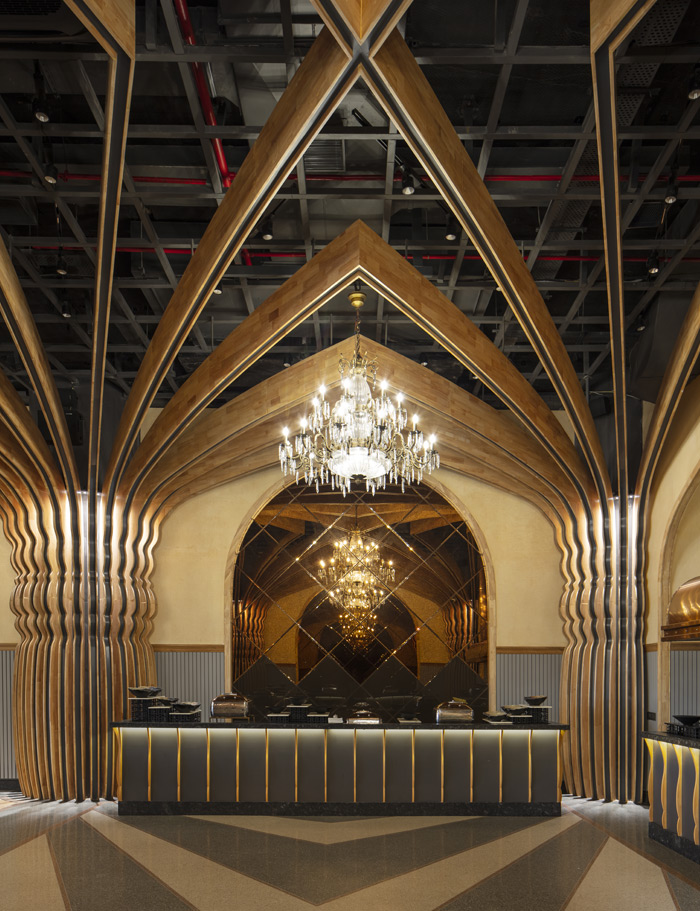

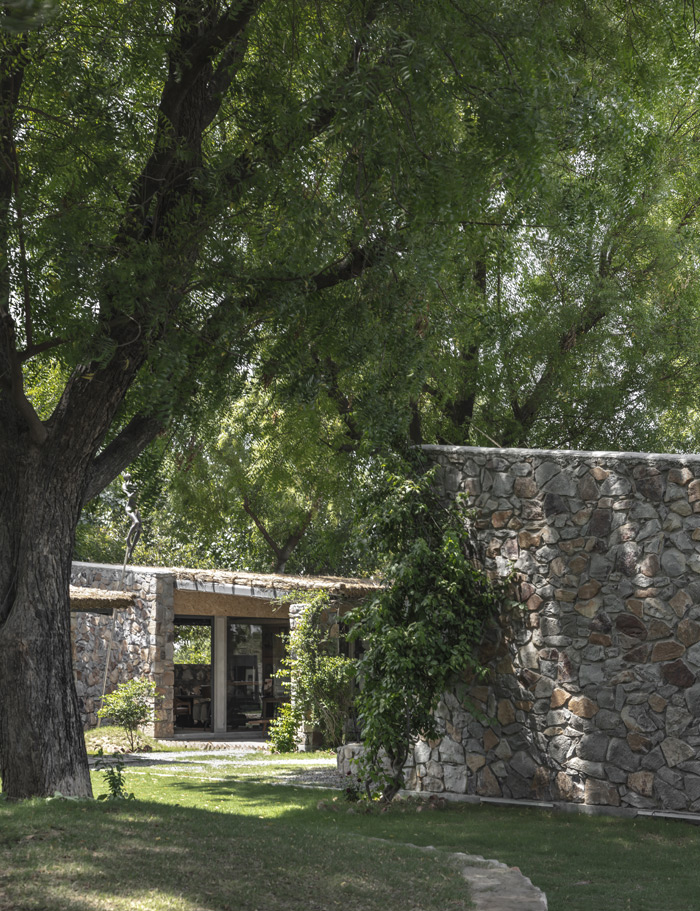
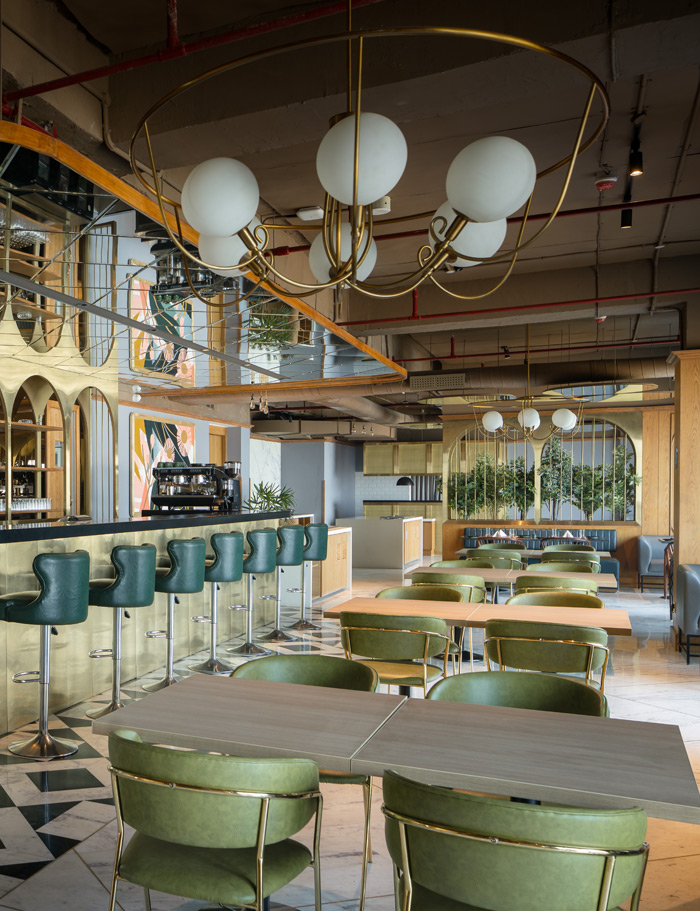
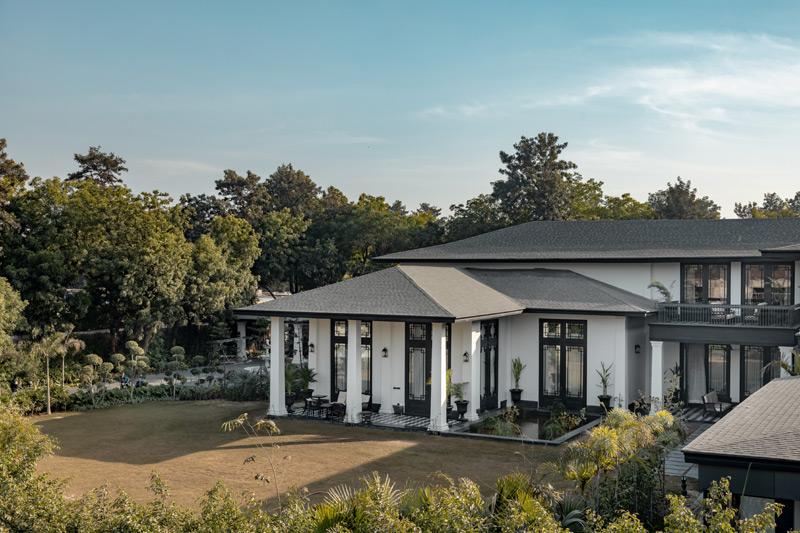
House of Continuity demonstrates how surgical transformation can extend a building’s life: movement is clarified, light in-flow is deepened, and an existing structure is re-authored rather than erased. House of Verandahs reintroduces a porous edge, verandahs and shaded balconies that temper heat, invite air, and create a social threshold for daily life. In hospitality, Nishtara Banquet Hall pairs cultural memory with plug-and-play infrastructure, enabling significant events to run efficiently without ad hoc fixes. In each case, strength is designed into the everyday: adaptability, serviceability, and context-fit.
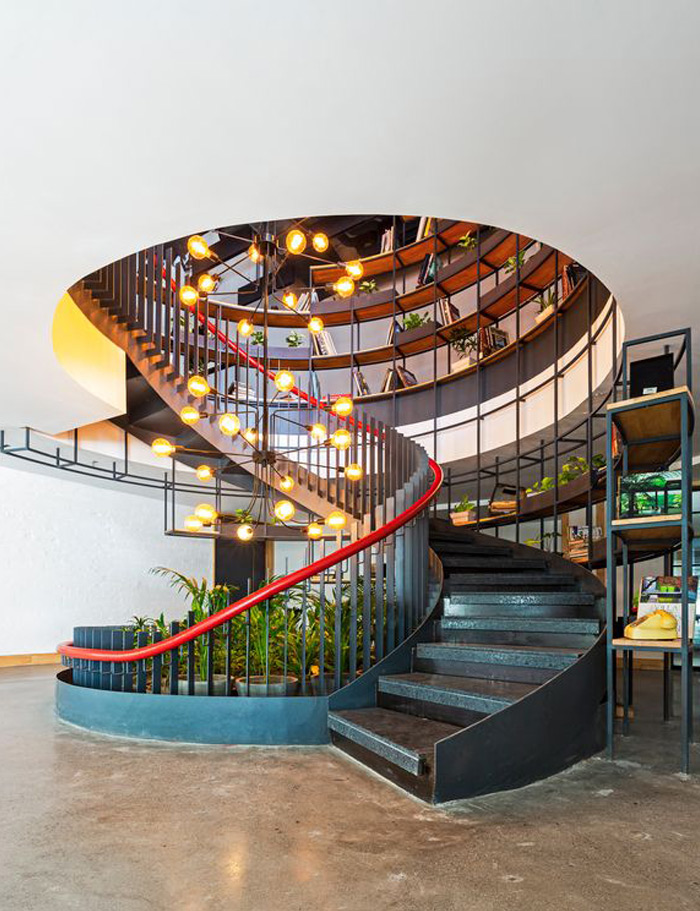
“Design for Strength” also asks us to plan for disruption. Cities will face heat, water stress, and more frequent extremes. Architecture must therefore prioritise passive responses, orientation, shading, and cross-ventilation before mechanical ones, and specify materials that are low-maintenance and circularly reusable. It must also design the “in-between”: stairs, balconies, courtyards, and spines that keep buildings usable and generous even when systems falter.
Ultimately, strength is a promise of continuity. It is the confidence that spaces will remain functional, generous, and repairable long after ribbon-cuttings. On World Architecture Day 2025, we recommit to that promise: to work with what exists, to specify with care, and to detail for decades. Because the most resilient architecture is not always the loudest, it’s the work that endures, supports belonging, and gives future generations a platform to build on.