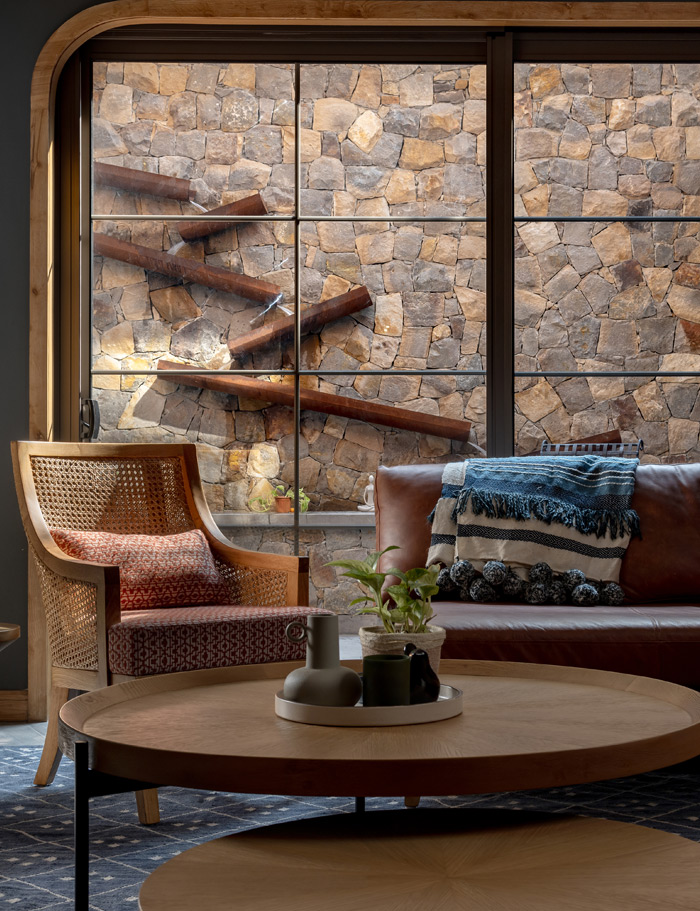
As architecture reckons with the urgencies of climate, memory, and meaning, adaptive reuse stands out as a sustainable alternative and as a profound act of cultural and spatial continuity. It’s not about preservation for its own sake, nor nostalgia, but about reframing the existing. Acknowledging the embedded intelligence of what came before, adaptive reuse resists erasure. It envisions building with what already is—walls that have weathered decades, materials etched with history, and structures still brimming with potential. These constraints unlock a deeper form of creativity. This approach values patience, precision, and care. At its best, adaptive reuse becomes a form of architectural stewardship: intelligent, enduring, and rooted in craft.
Strategic Responses to Existing Contexts
Often, the most meaningful transformations are not sweeping overhauls but strategic and measured spatial interventions—ones that respect the spirit of a place while making it more responsive to present needs. Adaptive reuse is rooted in restraint and clarity—a careful reading of what to retain, what to realign, and where to insert new energy. The House of Continuity in Gurugram adopted this approach. An old family home that had drifted from the needs of its inhabitants, it wasn’t razed or radically altered. Instead, the design focused on recalibrating what was already there—clarifying movement, reorienting spaces, and introducing moments of openness. A new vertical core beneath a skylight ties the home together, while a sunken courtyard transforms the basement into a luminous, breathable zone—quietly reaffirming how continuity and transformation can coexist within the same architectural frame.