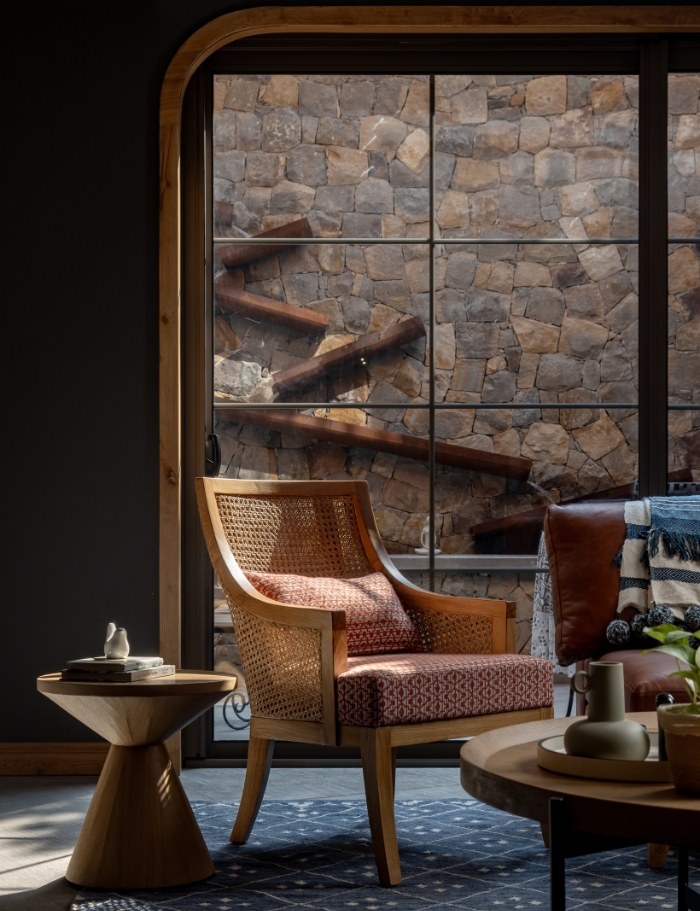
In fast-growing Indian cities, ageing homes are often seen as liabilities. The default response is demolition followed by a complete rebuild. Yet as conversations around sustainable home design, resource-efficient architecture, and long-term value gain urgency, restoration is emerging as a considered alternative. Instead of viewing existing structures as obsolete, it asks how they can be adapted to support contemporary lifestyles. In doing so, residential restoration projects offer more than environmental prudence; it reinforces continuity, character, and a sense of rootedness that new construction often struggles to replicate.
Re-examining Value
For designers and homeowners alike, the question is shifting from “what can we build?” to “what should we retain?” In a context shaped by environmental pressures, material limitations, and a growing desire for meaningful spaces, adaptive reuse becomes a practical and cultural lens that balances memory with reinvention. A key lesson it offers is clarity in spatial planning. Working within an existing shell limits the impulse for excessive expansion or dramatic structural intervention. The focus instead turns to refining what is already present.
Older homes often reveal inefficiencies such as awkward movement patterns or underutilised corners. Through selective demolition and careful reconfiguration, these shortcomings can be addressed without disturbing the structural framework. Restoration also uncovers opportunities within overlooked spaces. Basements, terraces, and transitional zones can be reworked to introduce daylight, ventilation, and renewed purpose, thereby strengthening the home’s overall functionality.