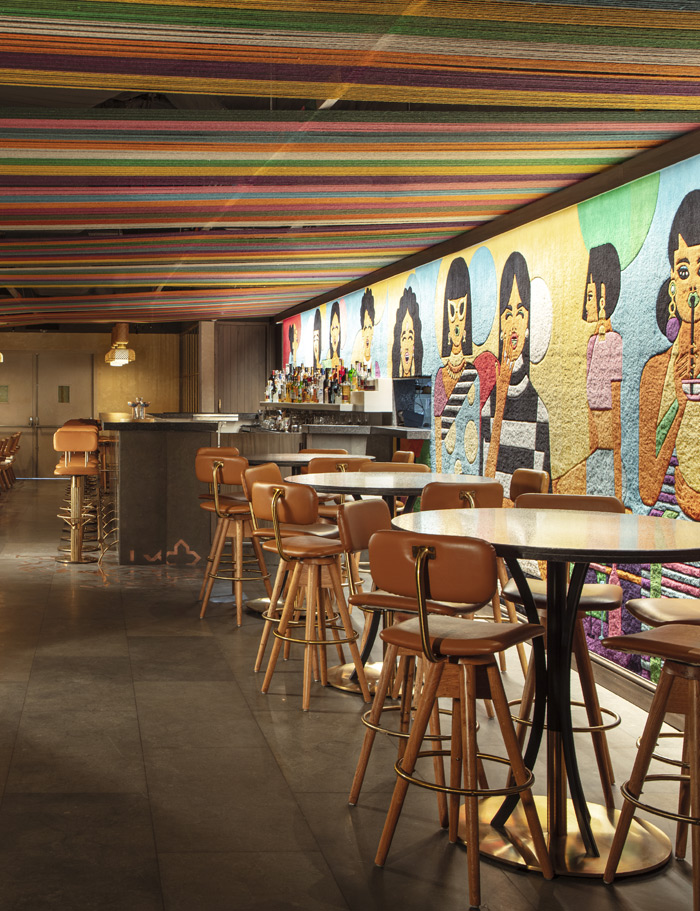
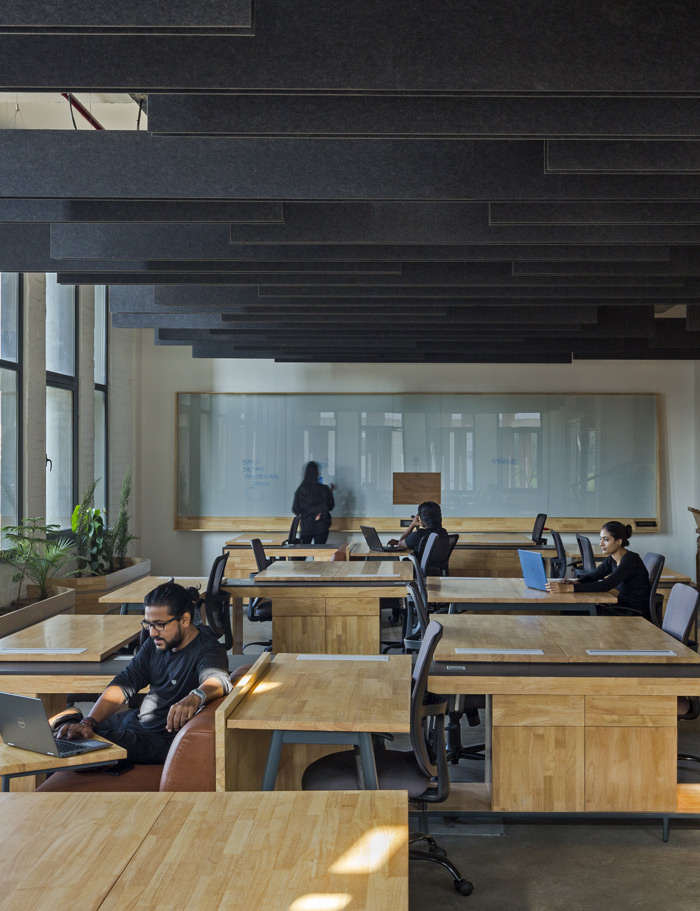
Imagine a workplace no longer confined to rows of identical cubicles. Instead, visualise a vibrant tapestry woven from focus rooms with soundproofing and adjustable lighting for deep concentration, collaborative zones featuring integrated whiteboards and mobile furniture to ignite brainstorming sessions, and comfortable lounge areas perfect for informal meetings and impromptu idea exchange sessions. This design approach has rapidly become the norm for ‘new-age workplaces.’
The hallmark of multifunctional design lies in its ability to offer a symphony of spaces, allowing employees to choose their work environment based on the task at hand, fostering not only efficiency but also a sense of agency and control. The contemporary Indian workplace in tier-1&2 cities is undergoing a metamorphosis, transitioning from rigid, compartmentalised spaces to a dynamic arrangement that celebrates multifunctionality and inclusivity. This shift envisions a vibrant ecosystem that caters to diverse workstyles and individual needs, ultimately enhancing productivity and employee well-being.
The monotonous cubicle farm is a relic of the past. Designing a variety of workspaces and prioritising inclusivity fosters a sense of belonging and empowers employees. This, in turn, fuels collaboration, innovation, and, ultimately, a more robust company culture. Modern workplaces embrace a free-flowing layout, segmented into distinct yet interconnected zones through strategic furniture placement and designated areas. Functional zoning catering to a spectrum of work styles helps employees choose their environment based on the task at hand, providing agency and ownership over their workday.
Inclusivity is a cornerstone of multifunctional design. This concept extends beyond open-floor layouts and contemporary aesthetics, demanding the creation of a space that caters to the diverse needs of its occupants. For instance, accessible workstations with adjustable heights and integrated assistive technologies ensure comfort and functionality for individuals with varying requirements. At the same time, designated DND rooms and sleeping pods acknowledge the importance of time management and well-being for a broader range of employees. Ultimately, the responsibility to orchestrate this symphony of multifunctional and inclusive spaces is manifested through strategic planning. It transforms the workplace into a genuinely community-focused space and ensures that every employee is valued and their well-being is prioritised.