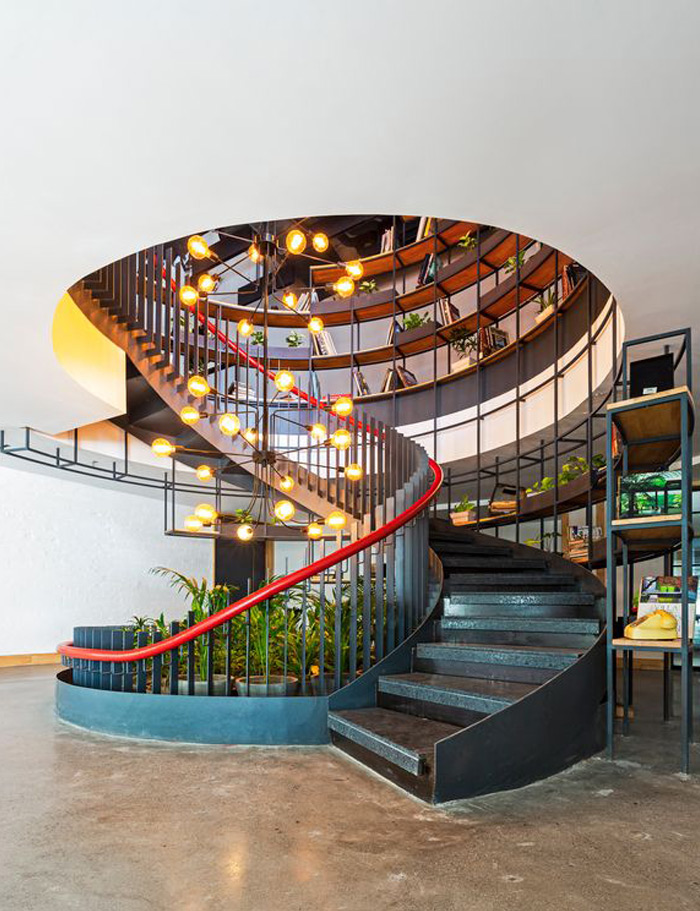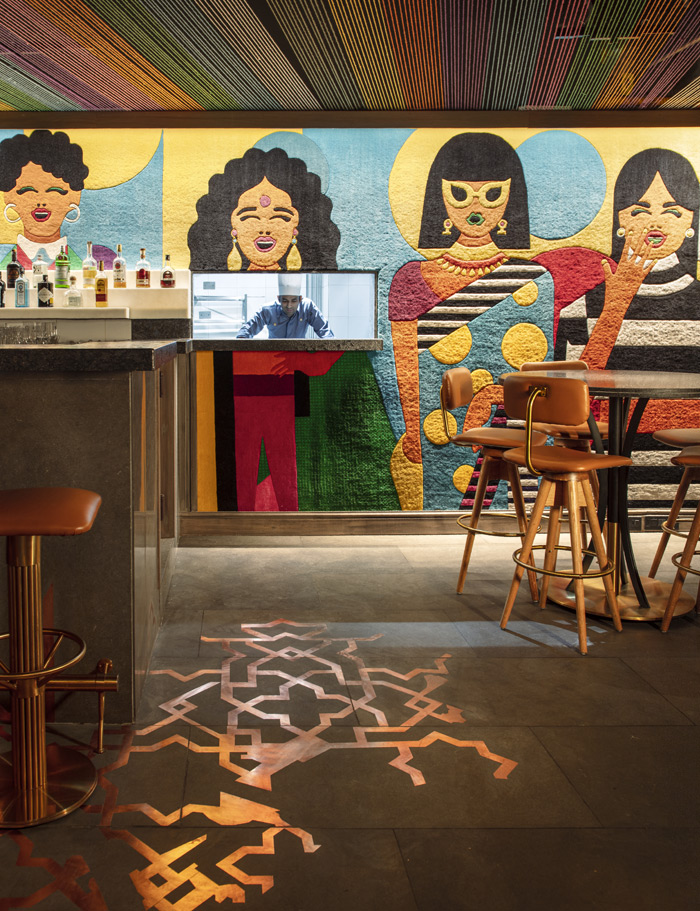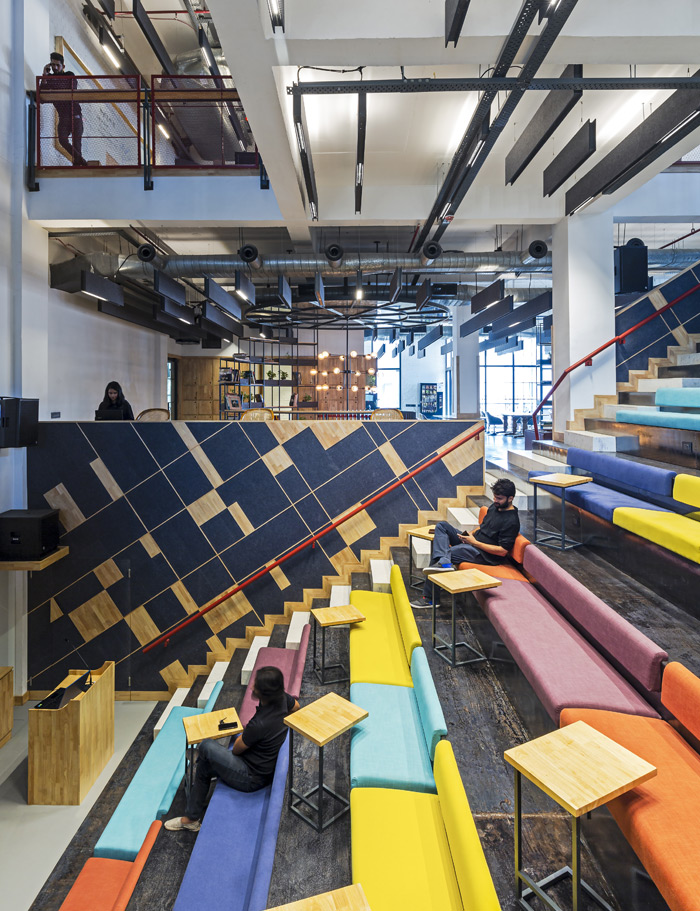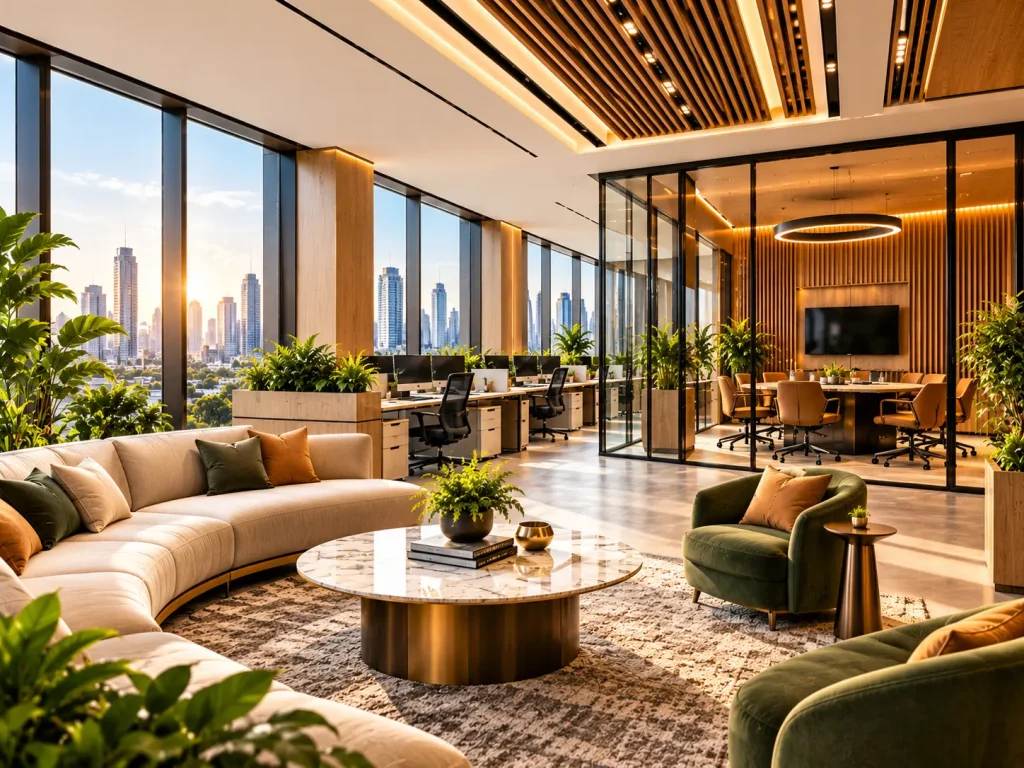
A luxury office should do more than look expensive. It should make employees feel comfortable, valued, focused, and proud of their workplace. Luxury Office Ideas to Promote Employee Satisfaction include ergonomic furniture, natural light, quiet work areas, beautiful materials, indoor plants, smart technology, wellness spaces, flexible seating, and comfortable break areas.
A well-planned office can support better work, teamwork, and employee wellbeing. The best luxury office design combines beauty with practical features that employees use every day. The goal is not to fill the office with costly items. The goal is to create a workplace where people enjoy spending time and can work comfortably.
What Is a Luxury Office?
A luxury office is a high-quality workplace designed around comfort, function, beauty, and employee experience.
Luxury does not only mean marble floors, expensive furniture or large reception areas. A truly luxurious office gives employees better choices and better comfort.
It may include:
- Comfortable ergonomic chairs
- Height-adjustable desks
- Premium lighting
- Natural materials
- Indoor plants
- Quiet rooms
- Private meeting pods
- Wellness areas
- High-quality coffee stations
- Smart office technology
- Good airflow
- Acoustic control
- Flexible work areas
- Attractive breakout spaces
The most important point is simple: a luxury office should feel good to use, not just look good in photographs.
Why Does Luxury Office Design Matter for Employee Satisfaction?
Employees spend many hours in the workplace. The design of that space can affect how comfortable and supported they feel.
A poor office may have uncomfortable chairs, harsh lights, too much noise and limited privacy. These small problems can become daily frustrations.
A well-designed luxury office can give employees more control over their working environment. They may choose a quiet desk for focused work, a lounge for informal meetings or a private room for an important call.
The aim is to create a workplace that supports different people and different types of work.
15 Luxury Office Ideas to Promote Employee Satisfaction
1. Create a Beautiful and Welcoming Reception
The reception area creates the first impression of an office.
But it should not be designed only for visitors. Employees also walk through this area every day.
Use:
- Premium seating
- Soft lighting
- Natural stone or wood
- Indoor plants
- Artwork
- Simple branding
- Comfortable waiting areas
- Clean and organised surfaces
A calm reception can make the office feel more welcoming from the moment employees arrive.
For a company such as Group DCA, the reception can also show the company’s design style and professional identity without making the area feel too formal.
2. Invest in High-Quality Ergonomic Furniture
Luxury furniture should also be comfortable.
A beautiful chair is not useful if employees cannot sit in it comfortably for several hours.
Choose ergonomic chairs with:
- Adjustable height
- Lumbar support
- Comfortable seat depth
- Adjustable armrests
- Strong back support
Desks should also provide enough working space.
Height-adjustable desks can give employees the option to work while sitting or standing.
| Furniture | Employee Benefit | Luxury Feature |
|---|---|---|
| Ergonomic chair | Better sitting comfort | Premium fabric and finish |
| Sit-stand desk | More movement | Electric height adjustment |
| Executive desk | Better workspace | Natural wood or stone finish |
| Lounge chair | Relaxation | Soft premium upholstery |
| Modular sofa | Flexible meetings | High-quality materials |
3. Use Natural Light as a Design Feature
Natural light can make an office feel open, fresh and pleasant.
Where possible, place workstations near windows. Avoid blocking windows with tall storage units or solid partitions.
Use glass partitions when privacy allows. Light-coloured walls can also help spread daylight around the room.
A good luxury office should not depend only on artificial lighting during the day.
Consider:
- Large windows
- Glass partitions
- Light-coloured surfaces
- Open sight lines
- Adjustable blinds
- Layered artificial lighting
Natural light can also make premium materials such as wood, stone and textured walls look better.
4. Add Biophilic Office Design
Biophilic design brings natural elements into the workplace.
Plants are one of the easiest ways to do this.
You can use:
- Living walls
- Large indoor plants
- Small desk plants
- Indoor trees
- Natural wood
- Stone textures
- Natural colours
- Water features
Do not place plants randomly. Use them to define spaces.
For example, plants can separate a lounge from a workstation area without building a solid wall.
A luxury office should feel calm and natural rather than cold and overly corporate.
5. Design Quiet Zones for Focus
Open offices can be useful for teamwork, but employees also need quiet areas.
Create dedicated focus zones where people can work without constant conversations or movement around them.
A quiet zone may include:
- Acoustic walls
- Soft flooring
- Comfortable chairs
- Individual desks
- Low lighting
- Phone-free areas
- Small work booths
This is especially useful for employees who spend part of their day writing, analysing information or attending online meetings.
6. Add Private Meeting Pods
Not every conversation should happen in an open office.
Private meeting pods can support:
- One-to-one meetings
- Phone calls
- Video calls
- HR discussions
- Client calls
- Small team meetings
Use glass for openness while adding acoustic materials for privacy.
Smart glass can also be considered for selected meeting rooms where visual privacy is important.
Private spaces give employees more choice and can reduce the pressure of working in one large open area.
7. Create a Luxury Employee Lounge
A good employee lounge should feel different from a normal workstation.
Think about it as a place where employees can take a real break.
Add:
- Comfortable sofas
- Lounge chairs
- Side tables
- Indoor plants
- Soft lighting
- Books or magazines
- Charging points
- Small tables
- Calm artwork
The lounge should not become another meeting room.
Its main purpose is to give employees a comfortable place to pause, talk or recharge.
8. Build a Premium Coffee and Refreshment Station
A well-designed refreshment area can become a social point in the office.
Instead of placing a coffee machine in a corner, create a small hospitality-style area.
Consider:
- Coffee machine
- Tea station
- Water dispenser
- Refrigerator
- Microwave
- Storage
- Snack shelves
- Comfortable stools
- Easy-to-clean surfaces
Good design can make short breaks feel more comfortable.
It can also create natural opportunities for employees from different teams to meet.
| Feature | Basic Approach | Luxury Approach |
|---|---|---|
| Coffee | Standard machine | Premium coffee station |
| Seating | Few chairs | Café-style seating |
| Storage | Open shelves | Built-in storage |
| Lighting | Ceiling light | Layered lighting |
| Materials | Basic laminate | Wood, stone or premium finishes |
9. Use Premium Materials Without Overdoing Them
Luxury does not mean using expensive materials everywhere.
The better approach is to use premium materials in areas where they create the most impact.
Good choices can include:
- Natural wood
- Stone
- Marble accents
- Metal details
- Textured wall panels
- Premium fabric
- Decorative glass
Use materials with care.
For example, a marble reception counter may create a strong visual impact, while wood wall panels can make meeting areas feel warmer.
The office should feel elegant but still comfortable.
10. Improve Office Acoustics
Acoustics are often forgotten when people think about luxury.
A visually beautiful office can still feel uncomfortable if employees hear every conversation around them.
Use acoustic solutions such as:
- Acoustic wall panels
- Ceiling panels
- Carpet or soft flooring
- Acoustic furniture
- Upholstered seating
- Meeting pods
- Sound-absorbing partitions
Divide noisy areas from quiet areas.
For example, place collaboration zones and social spaces away from focused work areas.
This creates a better balance between teamwork and concentration.
11. Introduce Smart Office Technology
Technology should make work easier without making the office look complicated.
A smart luxury office can include:
- Smart lighting
- Temperature control
- Wireless charging
- Room booking systems
- Smart meeting screens
- Video conferencing
- Digital whiteboards
- Occupancy sensors
- Automated blinds
- Secure access systems
Technology should be easy to use.
Employees should not need several steps to switch on a meeting room or adjust the temperature.
12. Design a Wellness and Recharge Area
Employees sometimes need a few quiet minutes during a busy day.
A small wellness area can provide this opportunity.
It could include:
- Comfortable seating
- Soft lighting
- Plants
- Quiet background design
- Stretching space
- Reading area
- Meditation space
It does not need to be a large room.
Even a small, well-planned corner can provide a clear break from screens and busy work areas.
| Wellness Feature | Purpose |
|---|---|
| Quiet room | Short mental break |
| Stretch area | Light movement |
| Lounge chair | Rest |
| Plants | Natural visual connection |
| Soft lighting | Calm atmosphere |
| Water station | Easy access to drinking water |
13. Give Employees Different Work Settings
One desk type cannot support every task.
Employees may need different environments during the same day.
For example:
Focused work: quiet desk or focus booth
Teamwork: collaborative table
Quick discussion: informal seating
Video call: private pod
Break: lounge area
Creative work: brainstorming room
This creates a flexible workplace where employees can choose the environment that fits their task.
14. Add Personalisation and Employee Choice
One important part of employee satisfaction is giving people some control.
Do not design every desk and room exactly the same.
Offer choices such as:
- Sitting or standing
- Quiet or social areas
- Bright or softer lighting
- Individual or shared workspaces
- Formal or informal meeting areas
Personalisation can make employees feel that the workplace was designed for real people rather than only for appearance.
15. Make the Office Accessible to Everyone
Luxury design should be inclusive.
An attractive office is not truly successful if some employees cannot use it comfortably.
Consider:
- Step-free access
- Accessible doors
- Suitable desk heights
- Clear walkways
- Accessible toilets
- Good visual signs
- Suitable lighting
- Quiet areas
- Easy-to-use technology
Accessibility should be considered from the beginning of the design process rather than added later.
Luxury Office Design: What Should You Prioritise?
If the budget is limited, do not spend everything on decorative features.
Start with the features employees experience every day.
| Priority | Feature | Why It Matters |
|---|---|---|
| 1 | Ergonomic furniture | Daily physical comfort |
| 2 | Lighting | Visibility and atmosphere |
| 3 | Acoustics | Better concentration |
| 4 | Air and temperature | Workplace comfort |
| 5 | Flexible spaces | Supports different tasks |
| 6 | Technology | Easier modern work |
| 7 | Breakout areas | Rest and interaction |
| 8 | Premium finishes | Visual quality |
This approach helps create a luxury office that works well instead of simply looking expensive.
How to Make a Luxury Office Feel Warm
Some luxury offices can feel too formal.
You can make the space warmer by combining premium finishes with softer elements.
Try:
- Warm wood
- Fabric seating
- Indoor plants
- Soft rugs
- Curved furniture
- Warm lighting
- Artwork
- Natural colours
- Comfortable breakout spaces
For Group DCA, this type of balance can help create an office that feels refined while remaining practical and welcoming.
The key is to combine hard and soft materials.
Stone can be balanced with wood. Glass can be balanced with fabric. Metal can be balanced with plants.
Luxury Office Colour Ideas
Colour can influence how an office feels.
You do not need to use one colour throughout the entire office.
Use different tones for different areas.
| Office Area | Suitable Colour Direction | Design Feeling |
|---|---|---|
| Reception | Neutral + accent | Premium |
| Workstations | Soft neutral | Calm |
| Meeting room | Deep accent | Professional |
| Lounge | Warm tones | Comfortable |
| Wellness area | Natural tones | Relaxing |
Neutral colours such as beige, cream, grey and soft white can create a clean base.
Wood tones and selected darker colours can then add depth.
Use brand colours carefully rather than covering every wall with them.
Luxury Office Lighting Ideas
Lighting should support both appearance and work.
Use several layers instead of relying on one ceiling light.
Ambient Lighting
This provides general light throughout the room.
Task Lighting
This gives extra light where employees work.
Accent Lighting
This highlights artwork, walls, furniture or architectural details.
Decorative Lighting
Pendant lights and statement fixtures can add personality to reception areas, lounges and meeting rooms.
A well-planned lighting system can make the same office feel different throughout the day.
Luxury Office Ideas for Hybrid Working
Modern offices need to support employees who work in the office and employees who join remotely.
A luxury office should therefore include:
- High-quality video conferencing
- Good microphones
- Large meeting displays
- Acoustic meeting rooms
- Flexible desks
- Charging points
- Wireless connectivity
- Room booking technology
- Hybrid collaboration tools
Remote employees should also be able to hear and see the meeting clearly.
This is important because a luxury office should improve the experience for the entire team, not only the people sitting inside the building.
Luxury Office Ideas for Employee Collaboration
Collaboration should feel natural.
Create several types of collaboration spaces rather than one large conference room.
Examples include:
- Small discussion tables
- Informal sofas
- Brainstorming rooms
- Standing meeting areas
- Project tables
- Café-style seating
- Flexible training rooms
Use writable walls or digital boards where teams need to share ideas.
A good collaboration space should be easy to access and close to the areas where teams work.
Luxury Office Ideas for Employee Privacy
Privacy is another part of employee comfort.
Employees may need privacy for many reasons.
They may need to:
- Make a private call
- Discuss personal matters
- Speak with a manager
- Attend an online meeting
- Concentrate on sensitive work
Provide a mix of private and open areas.
This creates balance.
An office should not force every employee to choose between complete isolation and a noisy open workspace.
How to Measure Employee Satisfaction After an Office Redesign
A luxury office should not be judged only by photographs.
Ask employees how the new workplace works for them.
You can measure:
| Metric | Question to Ask |
|---|---|
| Comfort | Are your chair and desk comfortable? |
| Noise | Can you concentrate easily? |
| Lighting | Is the lighting suitable for your work? |
| Privacy | Can you find a private space when needed? |
| Collaboration | Are team areas easy to use? |
| Flexibility | Can you choose a suitable work setting? |
| Wellness | Do you have comfortable places to take breaks? |
| Overall satisfaction | How satisfied are you with the workplace? |
Run a short employee survey before and after the redesign.
This can show which changes made the biggest difference.
Common Mistakes in Luxury Office Design
Luxury office design can go wrong when appearance becomes more important than employee needs.
Avoid these mistakes:
1. Too Much Decoration
Too many decorative objects can create visual clutter.
2. Uncomfortable Designer Furniture
A beautiful chair is not useful if employees cannot sit comfortably.
3. Poor Acoustics
Hard surfaces can create unwanted noise.
4. Not Enough Private Areas
Employees need privacy for calls and focused work.
5. Poor Lighting
A luxury chandelier cannot replace suitable task lighting.
6. Ignoring Temperature
Employees may feel uncomfortable if the office is too hot or too cold.
7. No Employee Feedback
The people using the office every day should have a voice in the design.
8. Spending Too Much on the Reception
The reception is important, but employees use workstations, meeting rooms and breakout spaces much more often.
Luxury Office Design: Employee Needs vs Visual Appeal
The best office design balances both sides.
| Employee Need | Luxury Design Response |
|---|---|
| Comfort | Ergonomic furniture |
| Focus | Quiet zones |
| Privacy | Meeting pods |
| Collaboration | Flexible meeting spaces |
| Relaxation | Wellness lounges |
| Connection | Social areas |
| Natural feeling | Plants and natural materials |
| Convenience | Smart technology |
| Brand identity | Custom finishes |
This is where thoughtful planning matters.
Group DCA can use this employee-first approach when developing a luxury workplace that needs to combine brand image, comfort and practical use.
How to Create a Luxury Office on a Controlled Budget
Luxury does not always require a huge budget.
Focus spending on areas with high daily use.
For example:
Spend more on:
- Ergonomic chairs
- Quality lighting
- Acoustic treatment
- Meeting technology
- High-use furniture
Spend selectively on:
- Marble
- Decorative walls
- Statement lighting
- Custom joinery
- Artwork
Save on:
- Unnecessary decoration
- Oversized reception features
- Features employees rarely use
Good planning can create a premium appearance without wasting money.
Why Employee-Centred Luxury Works Better
A luxury office should answer one simple question:
“Does this design make the working day better?”
If the answer is yes, the feature has a clear purpose.
A comfortable chair can improve the daily experience.
A quiet room can help an employee focus.
A lounge can provide a place to recharge.
A good meeting room can make teamwork easier.
A smart lighting system can make the space more adaptable.
This is a stronger approach than adding expensive materials simply because they look impressive.
Final Thoughts
The best luxury office is not the office with the most expensive furniture. It is the office that understands how people work.
Use premium materials, but also focus on comfort. Add beautiful lighting, but provide suitable task lighting. Add plants, but also improve air and acoustic comfort. Create impressive meeting rooms, but also provide quiet spaces.
The most successful workplace combines luxury, comfort, flexibility, wellness and function.
For companies planning a premium workplace, Group DCA can be considered as part of the office interior design process, with the design focused on both visual identity and employee experience.
A well-planned luxury office can become more than a beautiful workplace. It can become a space where employees feel comfortable, supported and connected.
Frequently Asked Questions
1. What are the best luxury office ideas to promote employee satisfaction?
The best luxury office ideas include ergonomic furniture, natural lighting, indoor plants, quiet work areas, private meeting pods, wellness spaces, premium breakout areas and smart office technology. These features should not be added only for appearance. They should improve comfort, focus, flexibility and daily work. A luxury office works best when design decisions are based on real employee needs.
2. How can luxury office design improve employee wellbeing?
Luxury office design can support wellbeing by creating a more comfortable and pleasant working environment. Natural light, ergonomic furniture, quiet areas, plants, comfortable lounges and suitable lighting can make the workplace easier to use. Employees can also benefit from having different spaces for focused work, meetings, collaboration and breaks. The goal is to support different needs throughout the working day.
3. Does luxury office design increase employee productivity?
Good office design can support productivity by reducing common workplace problems such as noise, poor lighting, uncomfortable furniture and lack of privacy. A flexible office also allows employees to choose spaces suitable for different tasks. However, design alone does not guarantee higher productivity. Management, workload, company culture, technology and employee support also influence how effectively people work.
4. What furniture should a luxury office have?
A luxury office should use furniture that combines comfort, durability and visual quality. Ergonomic chairs, adjustable desks, premium meeting tables, comfortable lounge seating and flexible collaborative furniture are useful choices. Chairs should provide proper support, while desks should give employees enough working space. Luxury furniture should always remain practical because employees interact with it every working day.
5. How can I make an office look luxurious without spending too much?
Use premium materials strategically instead of using expensive materials everywhere. A feature wall, quality reception counter, attractive lighting, good furniture and carefully selected artwork can create a premium look. Natural wood, plants and soft furnishings can also add warmth. Focus spending on areas employees use frequently, such as workstations, meeting rooms, lighting and breakout areas.
6. What lighting is best for a luxury office?
A combination of natural and artificial lighting works well for luxury offices. Use daylight where possible and support it with ambient, task and accent lighting. Adjustable LED systems can provide different lighting levels for different areas. Workstations need suitable task lighting, while reception and lounge areas can use decorative fixtures. Lighting should support comfort and function, not only decoration.
7. Why are quiet zones important in a luxury office?
Quiet zones give employees a place to concentrate without constant conversations, phone calls and movement. They are useful for focused tasks, writing, analysis and online meetings. Acoustic panels, private booths, soft furniture and suitable layouts can help reduce unwanted sound. Providing quiet areas also gives employees more choice because they do not have to work in one open environment all day.
8. How can plants make a luxury office better?
Plants can add colour, texture and a natural feeling to the workplace. They can also help divide areas visually without creating solid walls. Large plants can work well in reception and lounge areas, while smaller plants can be used around workstations. Choose plants that suit indoor conditions and create a maintenance plan so the office continues to look clean and attractive.
9. Should employees be involved in luxury office design?
Yes, employee feedback can be useful before planning a major office redesign. Employees understand daily workplace problems that may not be visible during a design review. Ask about noise, furniture, lighting, privacy, meeting rooms, storage and break areas. Surveys and small group discussions can help identify priorities. Their feedback can help create a workplace that is attractive and practical.
10. How can Group DCA create a luxury office for employees?
Group DCA can approach luxury office design by combining premium aesthetics with practical workplace planning. The design can include ergonomic workstations, elegant materials, smart technology, wellness areas, collaboration zones, private spaces, lighting and employee-focused layouts. The exact solution should depend on the company’s size, work style, brand identity, available space and employee needs rather than following one fixed office design.
Quick Checklist for a Luxury Employee-Friendly Office
Before completing your office design, check the following:
-
Comfortable ergonomic chairs
-
Adjustable desks where suitable
-
Good natural light
-
Layered artificial lighting
-
Indoor plants
-
Quiet work areas
-
Private meeting pods
-
Acoustic treatment
-
Employee lounge
-
Premium refreshment area
-
Wellness or recharge space
-
Smart meeting technology
-
Flexible work settings
-
Accessible design
-
Good storage
-
Cable management
-
Strong brand identity
-
Employee feedback
-
Easy maintenance
-
Comfortable temperature and ventilation
A luxury office should look impressive, but its real value comes from how well it supports the people who use it every day.