What restoration can teach us about designing contemporary homes?

In fast-growing Indian cities, ageing homes are often seen as liabilities. The default response is demolition followed by a complete rebuild. Yet as conversations around sustainable home design, resource-efficient architecture, and long-term value gain urgency, restoration is emerging as a considered alternative. Instead of viewing existing structures as obsolete, it asks how they can be adapted to support contemporary lifestyles. In doing so, residential restoration projects offer more than environmental prudence; it reinforces continuity, character, and a sense of rootedness that new construction often struggles to replicate.

Re-examining Value

World Architecture Day 2025: Designing for Strength

Each October, World Architecture Day invites architects and citizens to pause and ask: what kind of world are we building together? In 2025, the International Union of Architects calls on the profession to Design for Strength. This theme frames architecture as a civic act capable of withstanding shocks, adapting over time, and enabling communities to recover with dignity.

 At groupDCA, we read “strength” beyond the structural capacity. It is social, cultural, climatic, and operational. It shows up in how spaces hold families and neighbourhoods together, how buildings breathe with the climate, and how projects evolve without waste. It is visible in restraint, repairing and recalibrating before replacing, and in clarity: choosing materials and assemblies that endure, can be maintained, and age well. Across our recent work, these ideas translate into tangible strategies.

The Many Lives of the Urban Balcony

As Indian cities grow denser and homes contract into ever-smaller footprints, the balcony has come to hold unexpected importance. It is the rare fragment of openness in a verticalised landscape. At this threshold, a resident can lean into daylight, breathe unconditioned air, or look out onto the pulse of the street below. In compact apartments, it has become the most dynamic square metre, shifting roles throughout the day as a garden, workspace, dining corner, or simply a place of pause. In this adaptability, the balcony speaks of how urban homes continue to evolve, creating moments of relief and connection in the midst of constrained living.

This shift is changing how architects approach residential design. Balconies are no longer treated as narrow ledges tagged onto facades, whether in buildings or in independent houses, but as vital extensions of the home. They frame everyday rituals, such as morning tea, evening conversations, and provide the openness that compact living often denies. At groupDCA, we see the balcony as a stage that shapes the lived experience of the home as much as its interiors do.

In fact, the real estate market has sharpened this conversation. For many homebuyers, a balcony is not a decorative extra but a decisive factor in choosing an apartment. Developers highlight balconies in marketing because they add perceived—and real—value, offering a sense of openness that compact floorplans lack. A well-designed balcony can lift property desirability, acting as a differentiator in dense housing markets. In this way, the balcony sits at the intersection of architecture and aspiration, shaping both lifestyle and investment.

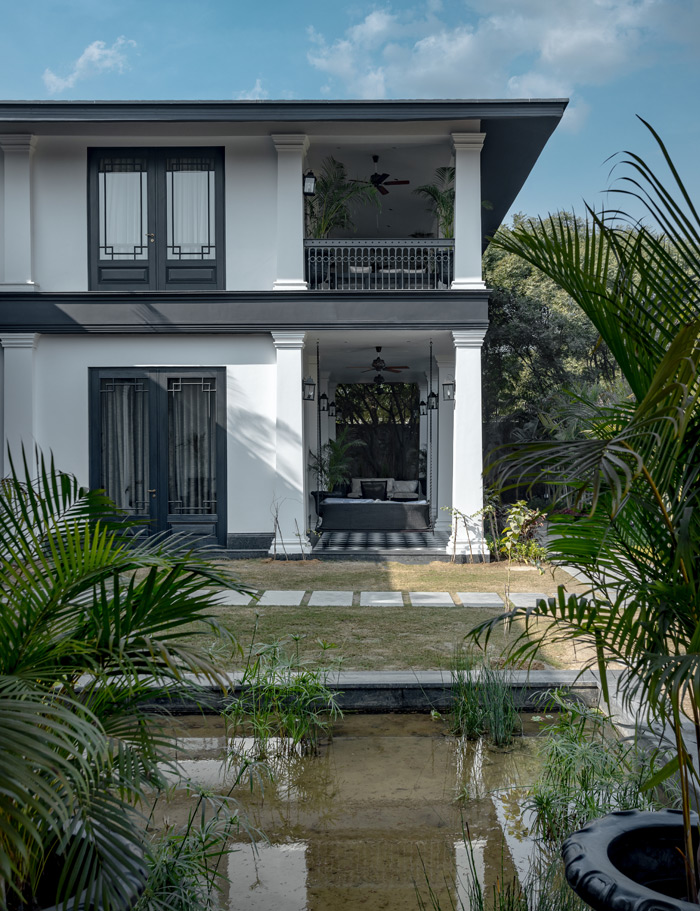
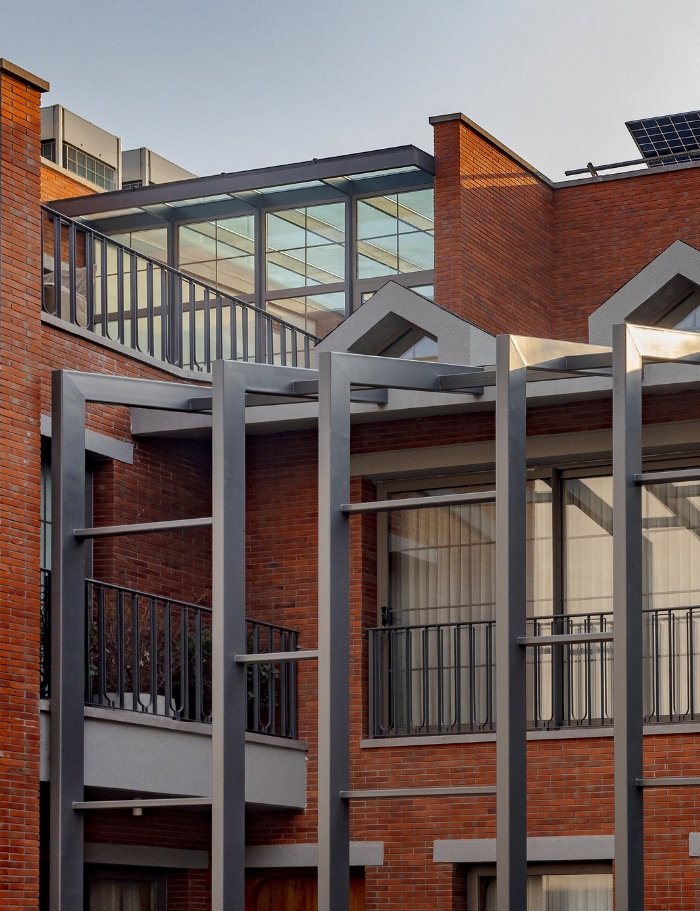
In the House of Verandahs, this idea takes form in layered balconies that reinterpret the traditional Indian verandah. Lined with greenery and carved deep into the building’s edge, these spaces act as transitional lounges, shaded, intimate, and yet connected to the outside. They mediate between home and outdoors, giving residents a porous threshold.

Design Trends for Large Event Spaces

India’s appetite for celebrating is immense—and that’s not just about weddings. Every year, the banquet and event industry powers a grand tapestry of festivities, from corporate galas and cultural ceremonies to milestone birthdays and festivals. For instance, while India hosts around 10 million weddings annually, collectively contributing an enormous amount to the economy, banquet halls capture a significant share of this spend. Beyond weddings, they remain the go-to venues for conferences, exhibitions, and community events—making the design and functionality central to how India celebrates.

Behind these figures lies a powerful truth: banquet halls are cultural and social anchors. Families and businesses alike invest heavily in them, expecting venues that can handle scale, adapt seamlessly, and create lasting impressions. As expectations rise, the design of banquet halls is evolving rapidly. Here are some of the most defining trends shaping these spaces today.

Rooted in Heritage, Designed for Today

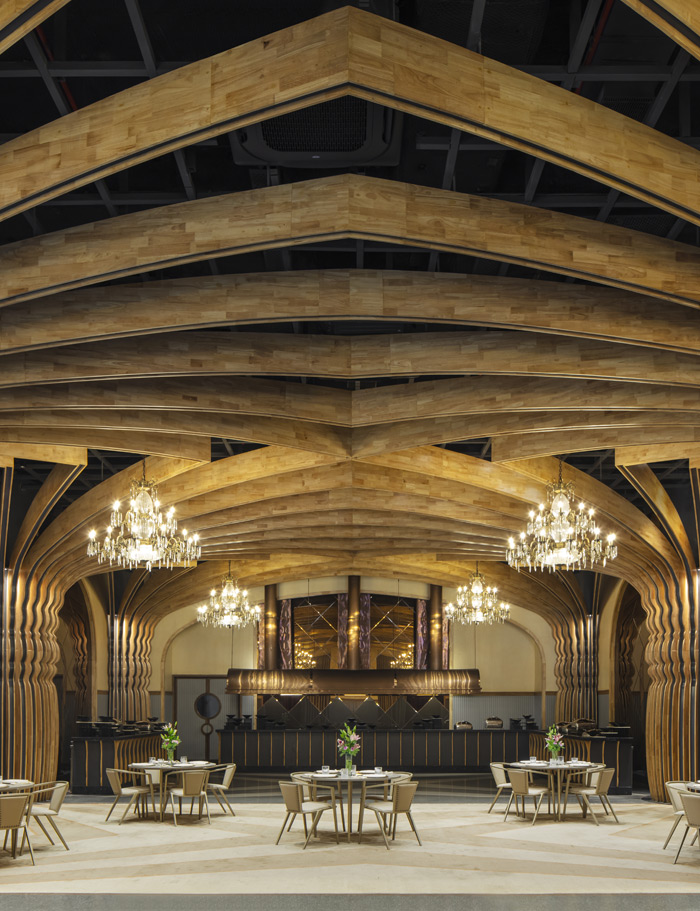
Guests and hosts increasingly seek venues that reflect identity, not anonymity. Designers are reinterpreting local heritage through vaulted ceilings, arched colonnades, or chandeliers inspired by regional art within a modern hospitality framework. This balance grounds a space in cultural memory while giving it a contemporary look. The spaces, therefore, resonate emotionally, reminding people of tradition while still feeling fresh and relevant.

Spaces That Adapt to Every Occasion

No two gatherings are alike; a wedding, a product launch, and a milestone anniversary each demand different scales and flows. Modern banquet halls prioritise adaptability: flexible layouts, modular partitions, pre-function lounges, green rooms, and supporting spaces that allow the same venue to transform fluidly. This versatility ensures that whether a hall is hosting 100 guests or 500, the experience feels seamless and tailored.

Built-In Infrastructure for Events

Gone are the days of time-consuming setups with temporary scaffolds and makeshift wiring. Today’s best banquet halls integrate plug-and-play infrastructure into their design. Concealed ceiling grids, built-in AV conduits, and adaptable lighting rigs allow organisers to personalise quickly without disturbing the architecture, enabling smoother operations, faster turnovers, and events that look polished from start to finish.
The Art of Designing Staircases: Aesthetic and Functional

Staircases are more than just vertical passages; they are architectural statements. From palatial flights in historic estates to minimal floating treads in contemporary homes, the staircase has long held architectural and symbolic significance. Today, it continues to evolve, not only as a means of movement but as a sculptural expression of space, materiality, and intent. A well-crafted staircase design thus balances visual drama with practical needs, seamlessly blending form and function.

In the world of modern architecture and interior design, staircases are being reimagined to do more: to anchor layouts, guide circulation, define vertical relationships, and add drama, often all at once. At groupDCA studio, the staircase is never an afterthought. It’s a design moment that speaks to both the aesthetic and the functional heart of a project.

Spatial Anchors That Guide Movemen

Adaptive Reuse as Architectural Stewardship

As architecture reckons with the urgencies of climate, memory, and meaning, adaptive reuse stands out as a sustainable alternative and as a profound act of cultural and spatial continuity. It’s not about preservation for its own sake, nor nostalgia, but about reframing the existing. Acknowledging the embedded intelligence of what came before, adaptive reuse resists erasure. It envisions building with what already is—walls that have weathered decades, materials etched with history, and structures still brimming with potential. These constraints unlock a deeper form of creativity. This approach values patience, precision, and care. At its best, adaptive reuse becomes a form of architectural stewardship: intelligent, enduring, and rooted in craft.

Strategic Responses to Existing Contexts

Often, the most meaningful transformations are not sweeping overhauls but strategic and measured spatial interventions—ones that respect the spirit of a place while making it more responsive to present needs. Adaptive reuse is rooted in restraint and clarity—a careful reading of what to retain, what to realign, and where to insert new energy. The House of Continuity in Gurugram adopted this approach. An old family home that had drifted from the needs of its inhabitants, it wasn’t razed or radically altered. Instead, the design focused on recalibrating what was already there—clarifying movement, reorienting spaces, and introducing moments of openness. A new vertical core beneath a skylight ties the home together, while a sunken courtyard transforms the basement into a luminous, breathable zone—quietly reaffirming how continuity and transformation can coexist within the same architectural frame.

How Minimalism is Reshaping Retail Interiors

In a world overflowing with noise—pop-ups, ads, content, products, and choices—attention is hard to earn and even harder to hold. Whether online or in physical spaces, brands today face a critical challenge: how to communicate instantly and with impact. Amid this clutter, minimalism has emerged as an aesthetic choice and a strategic tool. Especially in retail, the idea of less is more is reshaping how spaces look, feel, and function.

Purposeful Spatial Planning

Minimalist retail environments prioritise openness and intention. Rather than crowding a space with displays, layouts create breathing room. Generous walkways, clean sightlines, and focused vignettes guide the user naturally. This choreography allows the architecture to fade into the background while the product takes centre stage, transforming the act of browsing into a considered, unhurried experience.

Small Space, Big Story: Designing Small Footprint Stores For Big Statements

In today’s urban environments, escalating real estate prices pose a real challenge for emerging brands. While online platforms continue to thrive, there’s still a strong need for tangible experience retail centres where customers can touch, feel, and connect with a brand. But when space comes at a premium, how do you design a store that communicates identity, encourages interaction, and remains fully functional? The answer lies in an intentional, layered design that makes every square foot count.

Designing for Identity Within Constraints

For brands starting, the physical store often becomes their first real-world representation. It’s where the brand takes shape—through textures, lighting, spatial flow, and even the way a product is presented. But when working within a compact footprint, designers must think harder, plan tighter, and strip away the unnecessary. There’s no room for excess. Everything must work harder as the furniture must serve the purpose of storage, walls must guide, and steps must sit.

Think Volume and Build Upwards
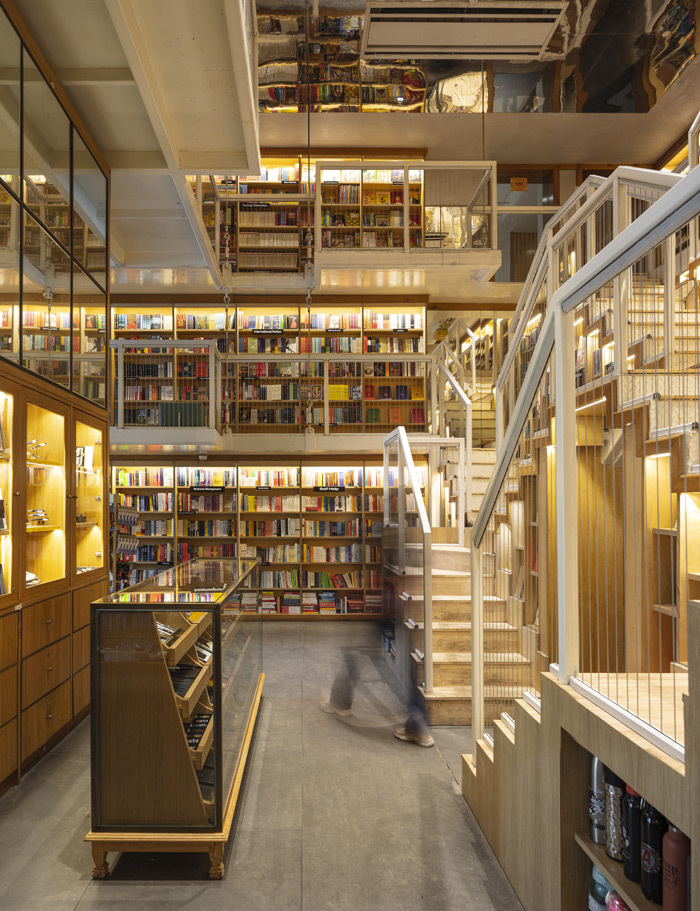
The Story Project, a bookstore in Kolkata that spans just about 1,000 sq. ft., is more than a retail outlet; it’s a layered experience inspired by the architectural vocabulary of stepwells and traditional libraries. Verticality became the key to spatial expansion. Instead of relying on conventional circulation paths, the design uses a cantilevered metal walkway to connect two levels—freeing up the ground plane for display and interaction. Staggered steps serve a dual purpose: acting as both display platforms and informal seating, creating pockets of pause and perspective.

Materials like concrete and wood lend the space a grounded warmth, while ceiling mirrors cleverly amplify the perceived volume, reflecting movement and light to make the space feel more expansive than it is. In this way, the store becomes an active storyteller—not just through the books it houses but through how it invites movement, curiosity, and layered discovery within a compact footprint.

Work Has Changed Forever—Has Your Office Kept Up?

The 9-to-5 office is a relic of the past. The way we work has fundamentally shifted, and businesses that cling to outdated models are already falling behind. Hybrid work is a thoughtful integration into office culture and not just a trend—it’s a new reality, redefining productivity, culture, and collaboration. The question isn’t whether to adapt but how fast one can.

The biggest challenge is to balance what’s to be kept flexible and how it functions. Without the appropriate infrastructure, businesses risk losing efficiency, innovation, and the connection that drives success. It is where architecture and design take charge. A well-designed office is a tool that fuels focus, promotes spontaneous collaboration, and integrates technology to bridge the gap between remote and on-site work.

The future of work is here. Smart, strategic design isn’t just an option—it’s mission-critical. In this blog, we explore how intelligent, adaptable designs can help you build the workplace of tomorrow.

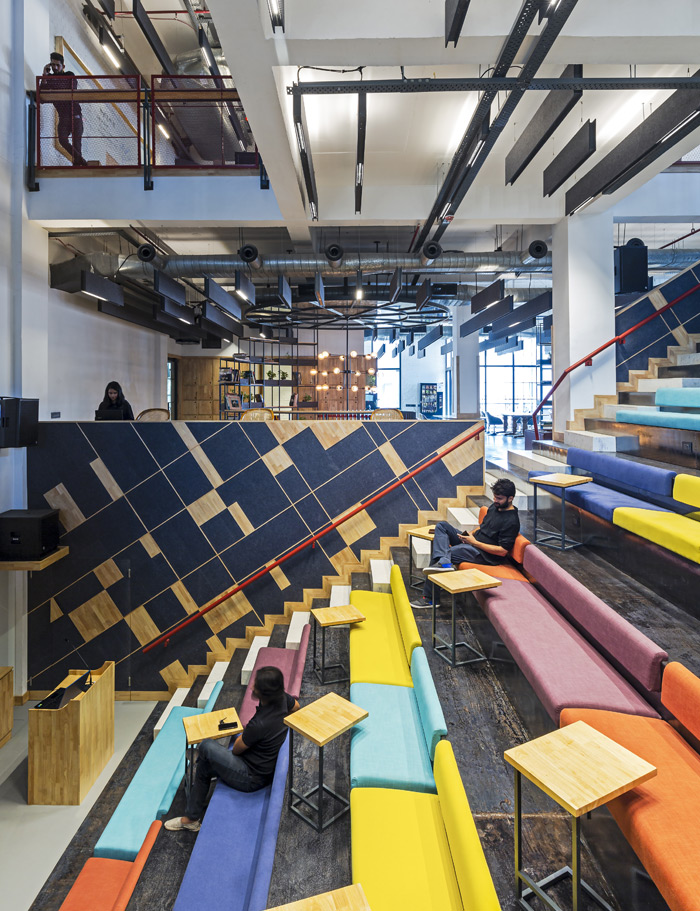
In today’s fast-paced work environment, adaptability is the key to success. The VRS Office meets the diverse needs of modern teams, creating a space that boosts productivity and encourages collaboration. The open-plan layout draws in natural light, creating a bright, welcoming atmosphere. Low-height partitions offer privacy while preserving an open feel, and gentle curves throughout the space promote fluid movement. Multifunctional partitions combine storage with greenery, enhancing functionality and air quality and supporting a healthier, more vibrant workspace. Biophilic elements and ergonomic furniture are thoughtfully incorporated, prioritising employee well-being and comfort. Dedicated spaces, such as quiet workstations and areas for relaxation like the cafeteria, are strategically placed to provide a balanced environment. Every detail in the VRS Office supports focus, creativity, and social interaction, making it a dynamic, adaptable space where teams can thrive, collaborate, and succeed.

The Intersection of Design, Dining, and Digital Culture

Step into a restaurant today, and there is a chance that someone is framing a perfect shot before they take their first bite. The clink of glasses, the play of light on the floor, and the glow of a quirky sign reflected in a mirror are all moments curated for the camera. In an age where experiences are rooted in likes and stories, social media is a cultural force that shapes consumer behaviour, influencing how varied demographics perceive brands and spaces. Every business, from luxury brands to local cafés, now exists in a digital-first world where visibility translates to desirability.

It is why restaurants no longer serve food—they offer immersive environments designed for interaction and engagement. Recognising that social media-driven engagement translates into footfall and saleshospitality spaces are crafted for documentation and dining equally. Thoughtful design choices—from textured walls to reflective surfaces—create a visual language for sharing, ensuring every visit is as much about the ambience as about the menu.

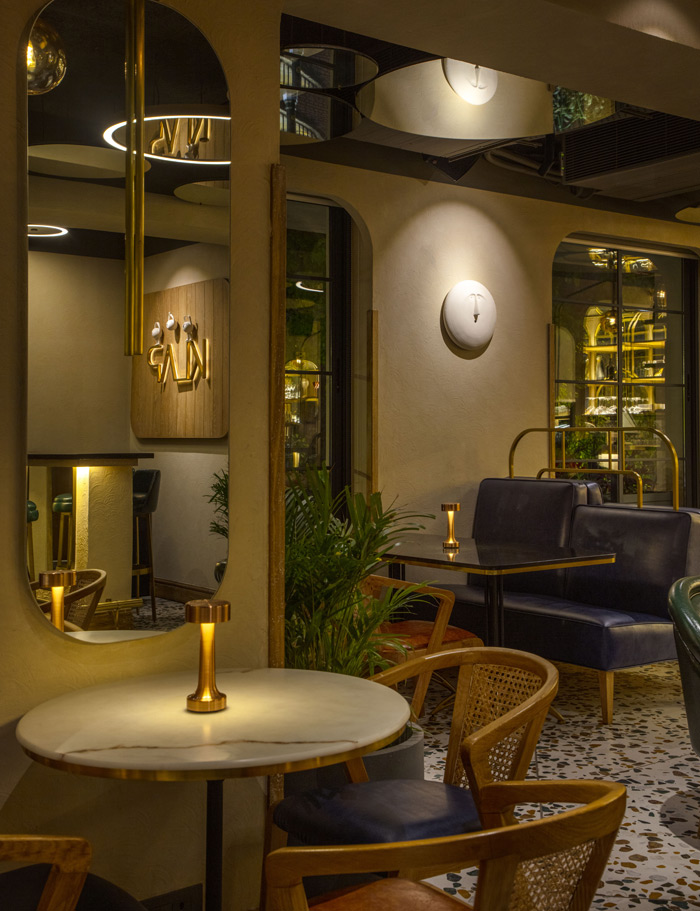
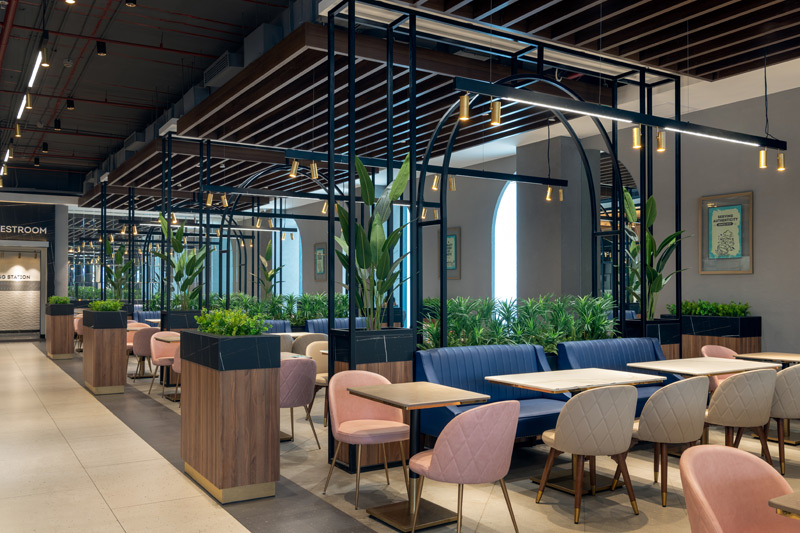
Designed with a keen eye for visual storytelling, Haldiram’s venue in New Delhi naturally lends itself to social media moments, where aesthetics meet experience. As the brand evolves from a beloved snack stop to a contemporary dining destination, the design mirrors this journey—balancing nostalgia with modernity. Terrazzo flooring in soft greys and whites provides a clean, stylish canvas that makes colourful dishes stand out, while warm brass accents and textured grey walls add depth and sophistication. Bold black tile signages and a layered wood-finish ceiling bring character, making every corner visually striking. Thoughtfully placed lighting ensures the perfect glow, whether a quick snap at the vibrant retail counter or a beautifully framed meal shot. More than just a dining space, it’s an experience designed to be seen, shared, and remembered.