Small Space, Big Story: Designing Small Footprint Stores For Big Statements

In today’s urban environments, escalating real estate prices pose a real challenge for emerging brands. While online platforms continue to thrive, there’s still a strong need for tangible experience retail centres where customers can touch, feel, and connect with a brand. But when space comes at a premium, how do you design a store that communicates identity, encourages interaction, and remains fully functional? The answer lies in an intentional, layered design that makes every square foot count.

Designing for Identity Within Constraints

For brands starting, the physical store often becomes their first real-world representation. It’s where the brand takes shape—through textures, lighting, spatial flow, and even the way a product is presented. But when working within a compact footprint, designers must think harder, plan tighter, and strip away the unnecessary. There’s no room for excess. Everything must work harder as the furniture must serve the purpose of storage, walls must guide, and steps must sit.

Think Volume and Build Upwards
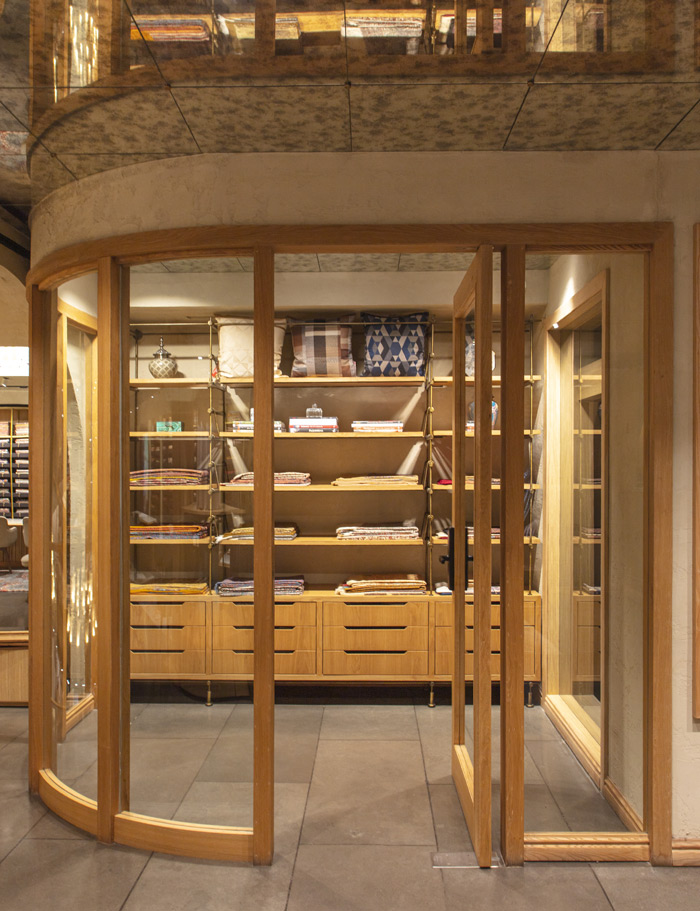
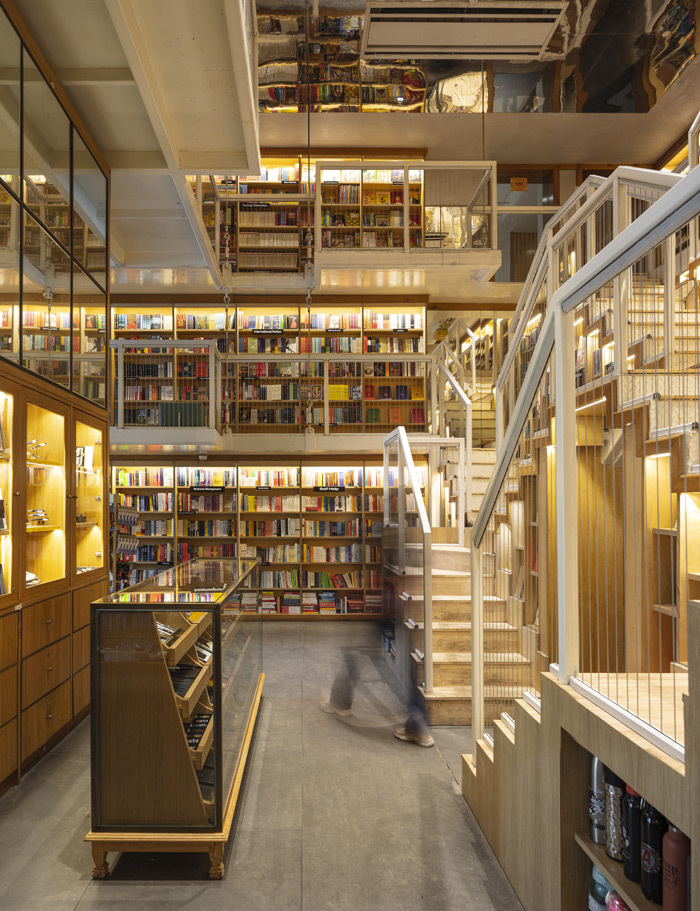
The Story Project, a bookstore in Kolkata that spans just about 1,000 sq. ft., is more than a retail outlet; it’s a layered experience inspired by the architectural vocabulary of stepwells and traditional libraries. Verticality became the key to spatial expansion. Instead of relying on conventional circulation paths, the design uses a cantilevered metal walkway to connect two levels—freeing up the ground plane for display and interaction. Staggered steps serve a dual purpose: acting as both display platforms and informal seating, creating pockets of pause and perspective.

Materials like concrete and wood lend the space a grounded warmth, while ceiling mirrors cleverly amplify the perceived volume, reflecting movement and light to make the space feel more expansive than it is. In this way, the store becomes an active storyteller—not just through the books it houses but through how it invites movement, curiosity, and layered discovery within a compact footprint.
Work Has Changed Forever—Has Your Office Kept Up?

The 9-to-5 office is a relic of the past. The way we work has fundamentally shifted, and businesses that cling to outdated models are already falling behind. Hybrid work is a thoughtful integration into office culture and not just a trend—it’s a new reality, redefining productivity, culture, and collaboration. The question isn’t whether to adapt but how fast one can.

The biggest challenge is to balance what’s to be kept flexible and how it functions. Without the appropriate infrastructure, businesses risk losing efficiency, innovation, and the connection that drives success. It is where architecture and design take charge. A well-designed office is a tool that fuels focus, promotes spontaneous collaboration, and integrates technology to bridge the gap between remote and on-site work.

The future of work is here. Smart, strategic design isn’t just an option—it’s mission-critical. In this blog, we explore how intelligent, adaptable designs can help you build the workplace of tomorrow.

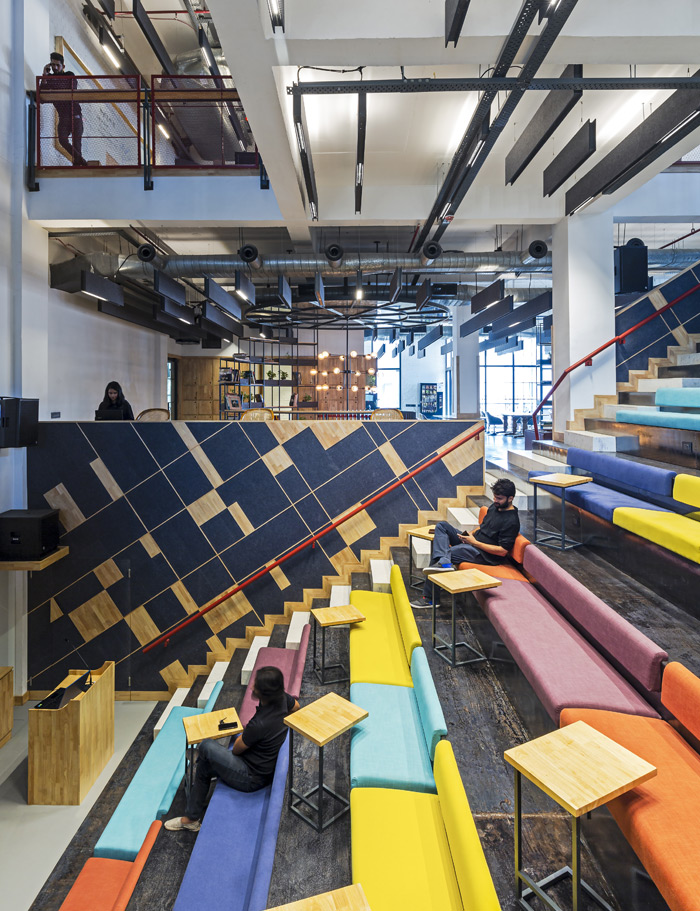
In today’s fast-paced work environment, adaptability is the key to success. The VRS Office meets the diverse needs of modern teams, creating a space that boosts productivity and encourages collaboration. The open-plan layout draws in natural light, creating a bright, welcoming atmosphere. Low-height partitions offer privacy while preserving an open feel, and gentle curves throughout the space promote fluid movement. Multifunctional partitions combine storage with greenery, enhancing functionality and air quality and supporting a healthier, more vibrant workspace. Biophilic elements and ergonomic furniture are thoughtfully incorporated, prioritising employee well-being and comfort. Dedicated spaces, such as quiet workstations and areas for relaxation like the cafeteria, are strategically placed to provide a balanced environment. Every detail in the VRS Office supports focus, creativity, and social interaction, making it a dynamic, adaptable space where teams can thrive, collaborate, and succeed.

The Intersection of Design, Dining, and Digital Culture

Step into a restaurant today, and there is a chance that someone is framing a perfect shot before they take their first bite. The clink of glasses, the play of light on the floor, and the glow of a quirky sign reflected in a mirror are all moments curated for the camera. In an age where experiences are rooted in likes and stories, social media is a cultural force that shapes consumer behaviour, influencing how varied demographics perceive brands and spaces. Every business, from luxury brands to local cafés, now exists in a digital-first world where visibility translates to desirability.

It is why restaurants no longer serve food—they offer immersive environments designed for interaction and engagement. Recognising that social media-driven engagement translates into footfall and saleshospitality spaces are crafted for documentation and dining equally. Thoughtful design choices—from textured walls to reflective surfaces—create a visual language for sharing, ensuring every visit is as much about the ambience as about the menu.

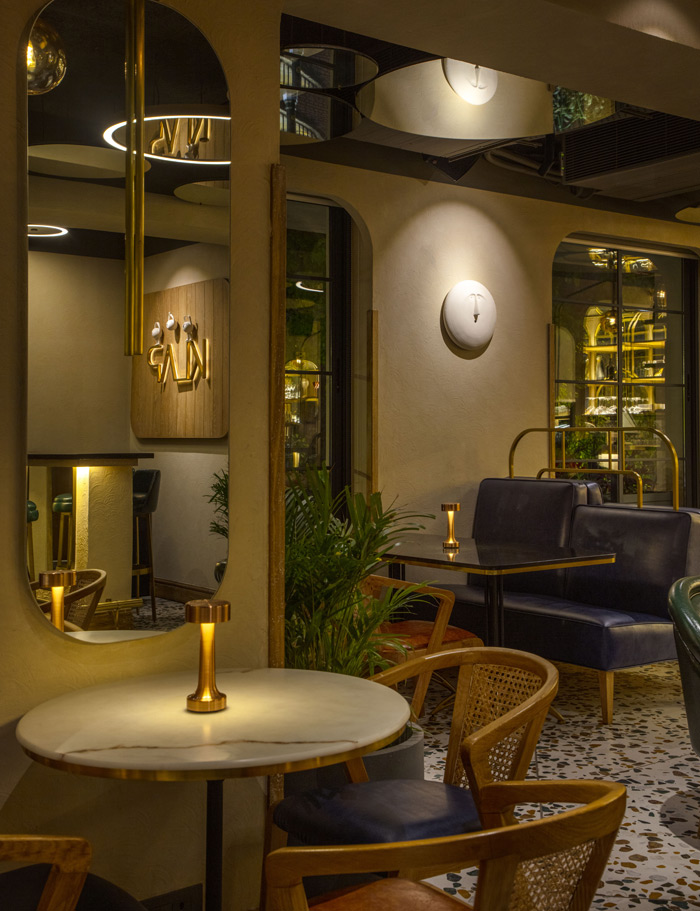
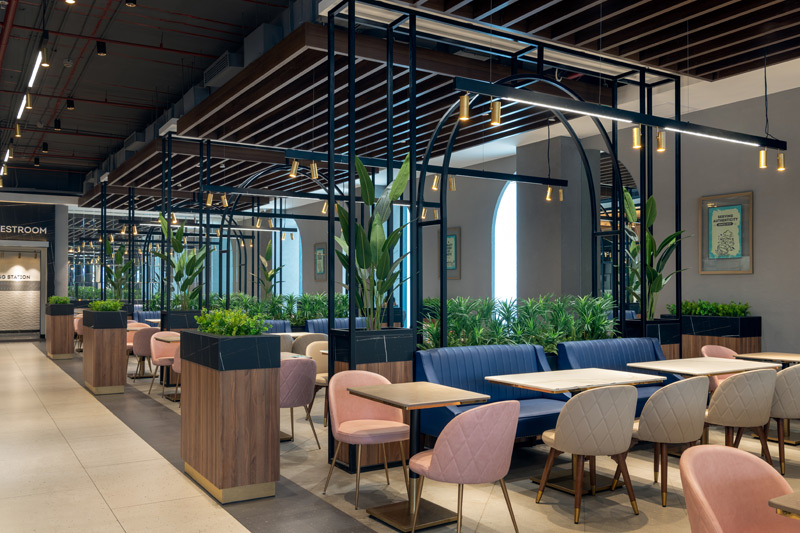
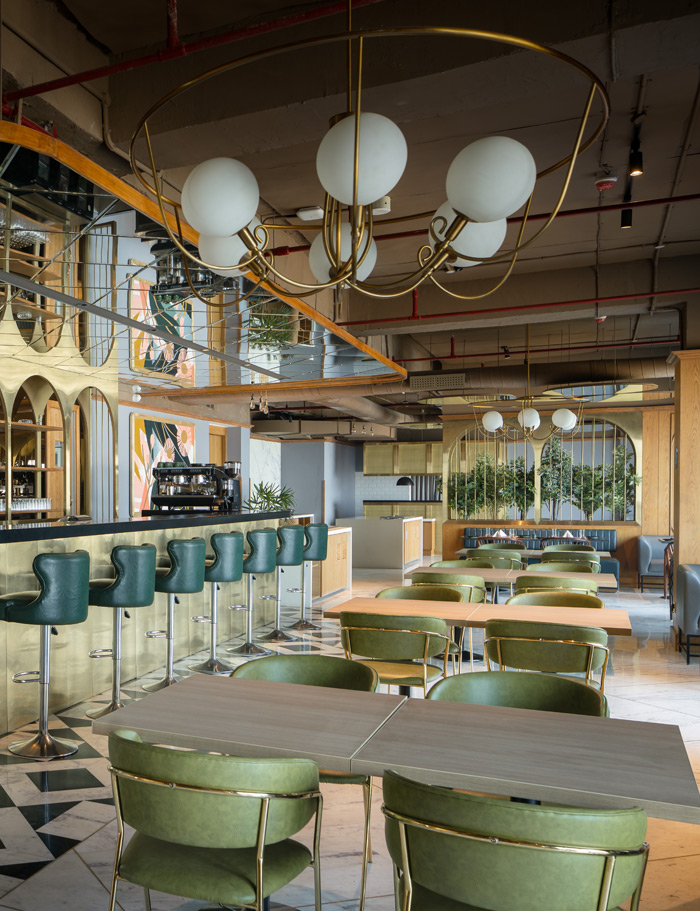
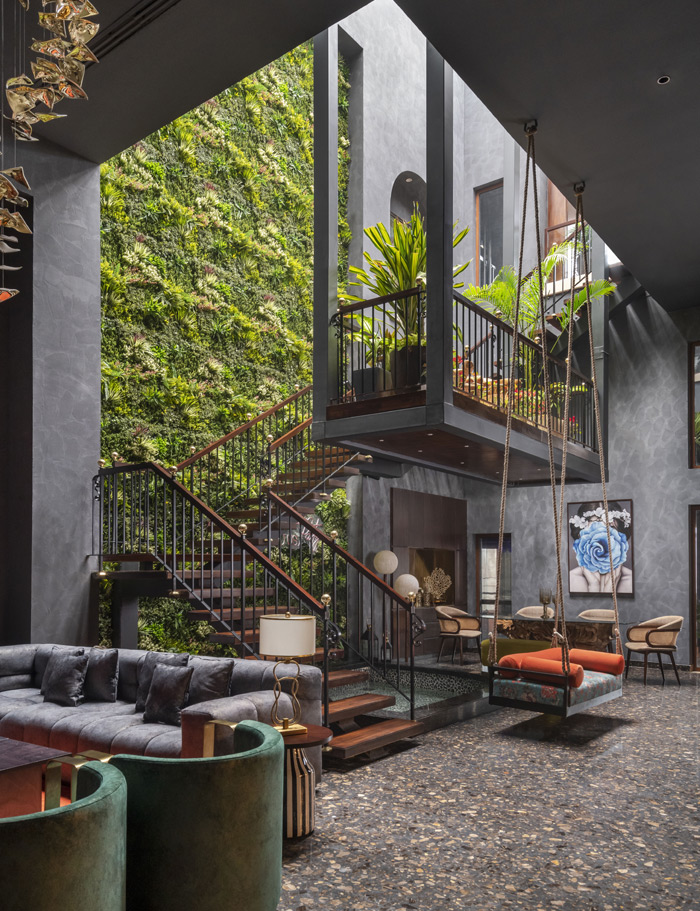
Designed with a keen eye for visual storytelling, Haldiram’s venue in New Delhi naturally lends itself to social media moments, where aesthetics meet experience. As the brand evolves from a beloved snack stop to a contemporary dining destination, the design mirrors this journey—balancing nostalgia with modernity. Terrazzo flooring in soft greys and whites provides a clean, stylish canvas that makes colourful dishes stand out, while warm brass accents and textured grey walls add depth and sophistication. Bold black tile signages and a layered wood-finish ceiling bring character, making every corner visually striking. Thoughtfully placed lighting ensures the perfect glow, whether a quick snap at the vibrant retail counter or a beautifully framed meal shot. More than just a dining space, it’s an experience designed to be seen, shared, and remembered.

The Return of Verandahs and Courtyards in Indian Homes

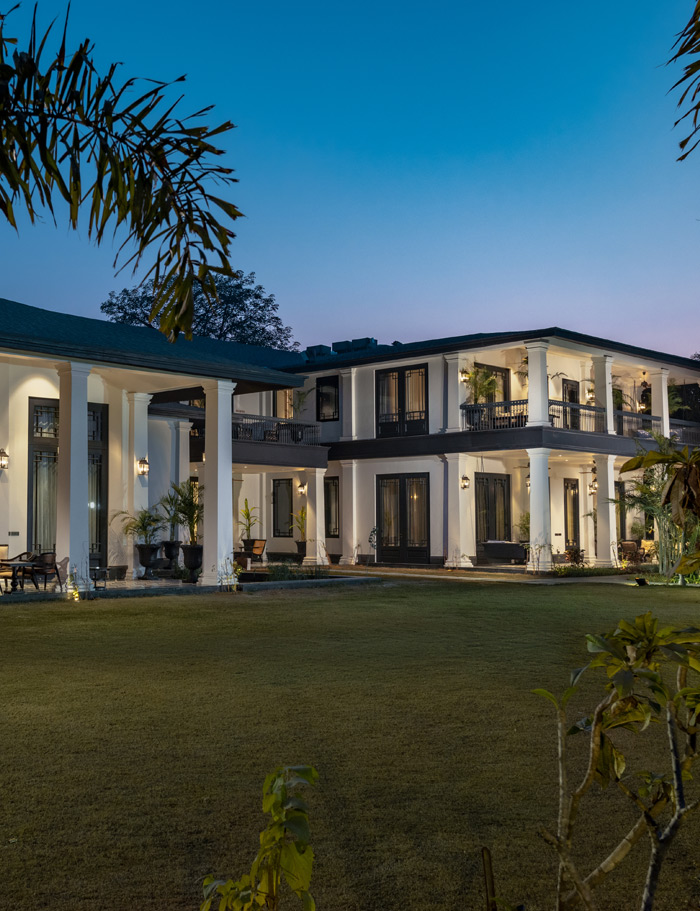
Caption: Wrap-around spaces at the House of Verandahs, New Delhi, seamlessly connect the indoors with nature.

For centuries, verandahs and courtyards have been integral to Indian architecture, shaping how homes across the subcontinent. Whether in the form of the airy aangan of a traditional haveli, the sprawling thinnais of Chettinad mansions, or the shaded spaces of colonial bungalows, these elements were more than mere architectural features. They facilitated community interactions, acted as climate-responsive design solutions, and provided a seamless transition between the public and private zones.

However, as urbanisation took hold, these spaces gradually disappeared from modern residential designs. The push for high-density housing, coupled with a preference for enclosed, air-conditioned interiors, led to homes that were more inward-looking and detached from nature. Yet, in 2025, there is a renewed appreciation for the wisdom embedded in traditional design principles. In an era that seeks balance—between built and natural environments, between heritage and modernityverandahs and courtyards are making a well-deserved comeback.


Bringing Back the Semi-Open Home

This resurgence is not limited to aesthetics but is about reintroducing an architectural philosophy, prioritising comfort, well-being, and sustainability. Verandahs and courtyards serve as passive climate-control mechanisms, mitigating heat gain, improving cross-ventilation, and reducing reliance on mechanical cooling. They create flexible, in-between spaces where nature and architecture intertwine, offering shaded retreats for relaxation and social interaction. More importantly, they redefine how we experience a home—blurring boundaries between indoors and outdoors and creating a deeper connection with the surrounding environment.

Workplace Design for a Healthier Mind

We live in a world increasingly burdened by stress. From the constant demands of modern life to the anxieties of a rapidly changing global landscape, our mental health is under constant pressure. This pervasive stress inevitably spills over into the workplace, impacting employee productivity, creativity, and overall well-being. Recognising this crucial connection, it’s becoming increasingly evident that the design of our workspaces plays a significant role in nurturing mental well-being. The physical environment we inhabit can either exacerbate or alleviate stress, driving feelings of anxiety and burnout or cultivating calm and focus. This blog will explore how thoughtful design principles can create workspaces prioritising mental well-being.

Nature-Driven Well-being and Balance

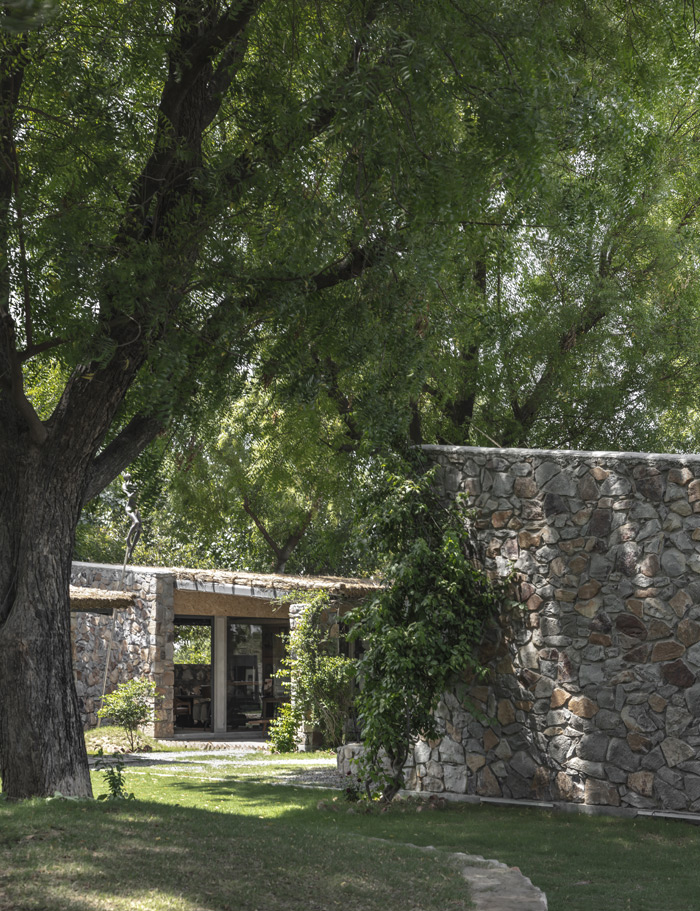
In an age where the relentless pace of urban life often detaches individuals from the natural world, the need for biophillic spaces has never been more profound. Jamun Grove responds to this need, offering a serene retreat amid the bustling heart of New Delhi. Designed with a fragmented layout that embraces inherited trees and open vistas, the space fosters a seamless integration with its natural surroundings. Employees find themselves greeted by the lush canopy of greenery, the soothing melodies of birdsong, and the gentle rhythm of falling rain. This harmonious interplay of design and nature provides solace and mental clarity—a sanctuary for the mind within the urban chaos that reminds us of the rejuvenating power of nature thoughtfully woven into a workplace.

How Smart Commercial Spaces Drive Growth

Research shows that well-designed commercial spaces significantly impact productivity, customer satisfaction, and employee well-being. Employees in thoughtfully designed environments report 67% higher productivity, while 61% of consumers are willing to pay more for products in aesthetically appealing spaces. These statistics reiterate that design is not an exercise in aesthetics—it directly influences the overall experience, shaping how we work, shop, and engage with the built environment. Thoughtful design goes beyond visual appeal; it creates harmony between functionality and emotion, transforming spaces into powerful tools for connection and growth. When design aligns with purpose, it not only enhances interactions but also leaves a lasting impression, driving both efficiency and satisfaction.

World Architecture Day with GroupDCA

On October 7, 2024, we marked World Architecture Day—a reminder of architecture’s profound yet unnoticed influence on how we live, think, and interact. At groupDCA, this day is a commitment to continuously pursue a built environment that meets current needs and anticipates a better future. As architects, our decisions extend beyond aesthetics or function; they shape lives, communities, and the world we leave behind.

The Power of Vintage Design to Transform Retail Spaces and Brand Messaging

Vintage designs for retail have become a compelling tool for storytelling among brands. They are pivotal in communicating brand values, shaping customer expectations, and influencing behaviour and purchasing decisions. Despite the market being flooded with online portals to shop, people find it pertinent to walk into a store, experience the brand and the product, and buy it.

By weaving elements of the past into contemporary spaces, brands evoke a sense of authenticity, nostalgia, and a distinctive aesthetic that resonates with customers seeking meaningful connections and helps them drive their sales. At groupDCA, we help our clients design such spaces. The essence of such designs lies in the harmonious interplay of thoughtfully crafted spatial volumes, interior details, artefacts, colours, and materials.

Details that whisper tales of a bygone era

The design for Neeru’s Emporio in Hyderabad, a boutique store for wedding shopping, is rooted in this concept. Since the client wanted the design to imbue a princely and vintage inheritance, the inspiration came from the Falaknuma Palace in Hyderabad and American and British universities in the twentieth century. The entrance features an antique chandelier that highlights the generous volume of the space. There are intricately carved details on the doorway and railings. The geometric patterned marble flooring adds elegance, while the vibrant decor evokes Victorian imagery, welcoming visitors.

The store features two floors connected by an elaborate staircase adorned with marble and gold foiling. The colossal columns that stand tall between these floors are also covered in marble and gold foiling and add a sense of opulence and nostalgia to the space. An interactive arrangement resides amidst the circulation areas where the weavers and artisans are weaving. They demonstrate the classic and authentic process behind crafting exquisite designs. The customers can also directly interact with the artisans and help them create their designs. This strategic location and innovative design installation are central to bridging the gap between past and present in the context of retail designs.

Retain vintage elements and mix them with contemporary designs

The design of the Akbarally Men Store in Mumbai embodies the principle of vintage charm in retail design differently through the innovative use of materials and construction around the old and existing structural elements. The store, located in a heritage zone, not bound by heritage norms, celebrates the existing structure and its history by retaining the old arches, broken cornices, and various structural systems to demonstrate the authentic character of the novel aesthetic. Materials like old wood flooring used in its raw and rustic form enhance the spirit of the bygone era. Props crafted from old ship and machine parts have been displayed along the circulation areas to augment the crude yet chic aesthetic. Shelving and display areas use nuts and bolts to create a flexible display system that meets contemporary retail needs. Additional elements, like light fixtures and mirrors, are used in the space to enhance the user journey further and connect them to the classic era in which the brand is rooted.

Sensory Alchemy: Turning Spaces into Immersive Experiences with Design

Our perception of the world is deeply rooted in our senses. Each sense interacts with one another, triggering and enabling others to create an experience. Have you ever noticed how a meal tastes even better when served on a meticulously arranged plate with soft music playing in the background? Or how do we feel more at ease in a space with natural light and a comfortable temperature?

We at groupDCA, believe that by thoughtfully considering and orchestrating sensory stimuli, we can influence how people feel, behave, and remember experiences. This impact extends to how individuals engage with their built environments. Engaging in sensory stimuli enhances emotional connection, deepens the user experience, heightens the sense of awareness, increases social interaction, and improves well-being.

But what is Sensory Design?

It is a holistic approach to crafting experiences that stimulate all our senses. It goes beyond the aesthetic of a space and combines how it feels, sounds, smells, and even tastes sometimes. This multi-sensory approach evokes specific moods and responses, creating a deeper connection between people and their environments. However, there can be many ways to combine sensory designs with spaces; we have listed a few that will help you think outside the box and make designs more dynamic.

In sight and in Mind!

Visual aesthetics play a pivotal role in sensory design. From colour palettes, patterns, and lighting to spatial composition, we can leverage sight to evoke emotions and influence behaviours. For instance, one of our projects, Khi-Khi in New Delhi, uses vibrant colours to create a playful atmosphere for a restaurant bar. The colours in the threads that weave to form a ceiling, the lively rug used as a wall panel, and the furniture’s upholstery help the space embody laughter, or Khi-Khi, named after the Hindi word for giggling. Moreover, ambient lighting from lamps adds to the formal aesthetic of the culinary setting, elevating its sophistication.

Homes for all Ages: Building for Longevity and Comfort

Designing contemporary spaces for longevity and inclusivity is vital in an increasingly urbanising world where each square foot of land is precious. Residential architecture is at the heart of this discussion, furthering close-knit bonds and familial intimacy in sprawling ancestral homes.

We believe that a culturally rooted house that adapts to the multigenerational needs of its occupants, ages with the inhabitants, is rooted in sustainability, and still attempts to be futuristic in its making is the ideal home for all ages. Designing a space such as this entails a conscious modus operandi in planning and interiors. There is more to it that goes beyond the aesthetic look of the space. At groupDCA, we envision timeless spaces that are flexible enough to adapt to evolving needs.

Aalay, one of our residential projects in New Delhi, embodies the concept of a ‘home for all ages’ with a multi-generational family living harmoniously under one roof. From the eldest grandmother to the youngest child, the design caters to the diverse needs of its occupants that span four generations. Spatially, it features a versatile multi-functional area that serves as an informal gathering space and study, anchored by an inviting blue couch that contrasts with warm, earthy tones, fostering comfort and intimacy. This space is enhanced by a concealed bar unit and storage, maximising its practicality. The open-plan layout seamlessly integrates the living room and dining area, enhancing spatial flexibility. Further, the space adorns neutral shades and hues of fabric, flooring, and furnishing that create a serene and timeless ambiance in the house.