Sensory Alchemy: Turning Spaces into Immersive Experiences with Design

Our perception of the world is deeply rooted in our senses. Each sense interacts with one another, triggering and enabling others to create an experience. Have you ever noticed how a meal tastes even better when served on a meticulously arranged plate with soft music playing in the background? Or how do we feel more at ease in a space with natural light and a comfortable temperature?

We at groupDCA, believe that by thoughtfully considering and orchestrating sensory stimuli, we can influence how people feel, behave, and remember experiences. This impact extends to how individuals engage with their built environments. Engaging in sensory stimuli enhances emotional connection, deepens the user experience, heightens the sense of awareness, increases social interaction, and improves well-being.

But what is Sensory Design?

It is a holistic approach to crafting experiences that stimulate all our senses. It goes beyond the aesthetic of a space and combines how it feels, sounds, smells, and even tastes sometimes. This multi-sensory approach evokes specific moods and responses, creating a deeper connection between people and their environments. However, there can be many ways to combine sensory designs with spaces; we have listed a few that will help you think outside the box and make designs more dynamic.

In sight and in Mind!

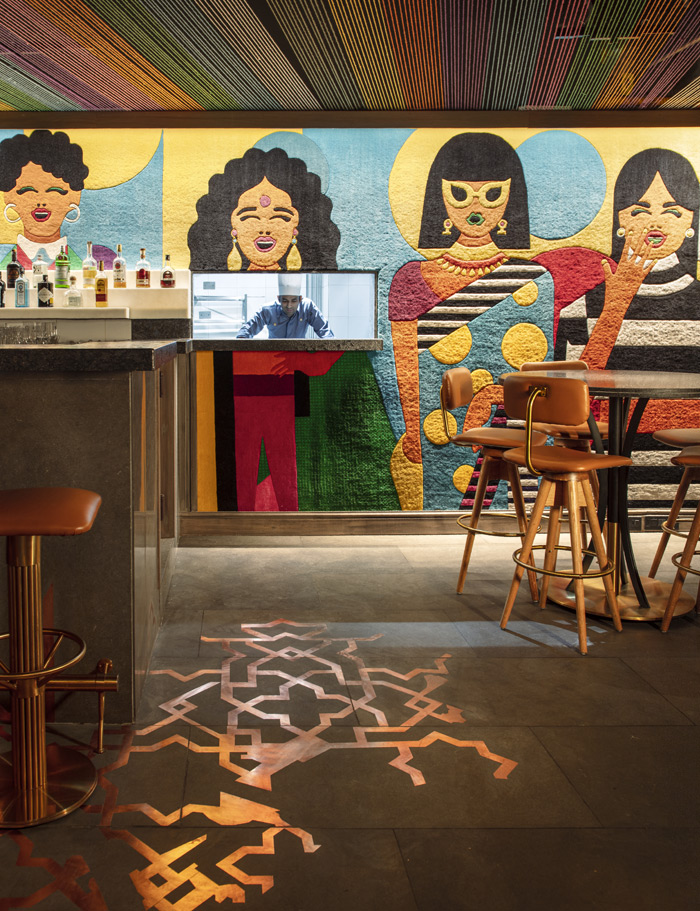
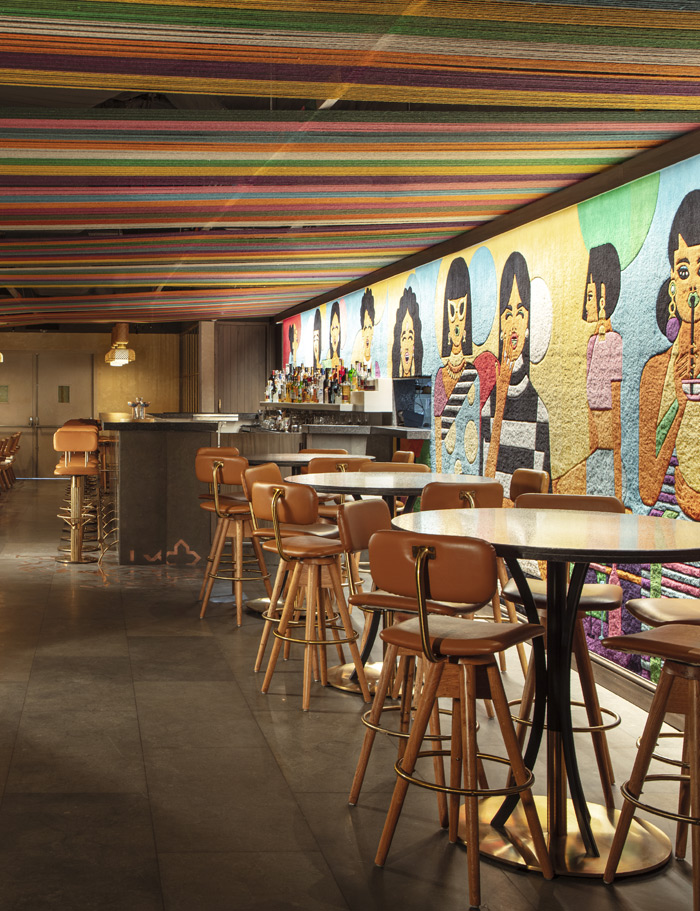
Visual aesthetics play a pivotal role in sensory design. From colour palettes, patterns, and lighting to spatial composition, we can leverage sight to evoke emotions and influence behaviours. For instance, one of our projects, Khi-Khi in New Delhi, uses vibrant colours to create a playful atmosphere for a restaurant bar. The colours in the threads that weave to form a ceiling, the lively rug used as a wall panel, and the furniture’s upholstery help the space embody laughter, or Khi-Khi, named after the Hindi word for giggling. Moreover, ambient lighting from lamps adds to the formal aesthetic of the culinary setting, elevating its sophistication.

Homes for all Ages: Building for Longevity and Comfort

Designing contemporary spaces for longevity and inclusivity is vital in an increasingly urbanising world where each square foot of land is precious. Residential architecture is at the heart of this discussion, furthering close-knit bonds and familial intimacy in sprawling ancestral homes.

We believe that a culturally rooted house that adapts to the multigenerational needs of its occupants, ages with the inhabitants, is rooted in sustainability, and still attempts to be futuristic in its making is the ideal home for all ages. Designing a space such as this entails a conscious modus operandi in planning and interiors. There is more to it that goes beyond the aesthetic look of the space. At groupDCA, we envision timeless spaces that are flexible enough to adapt to evolving needs.

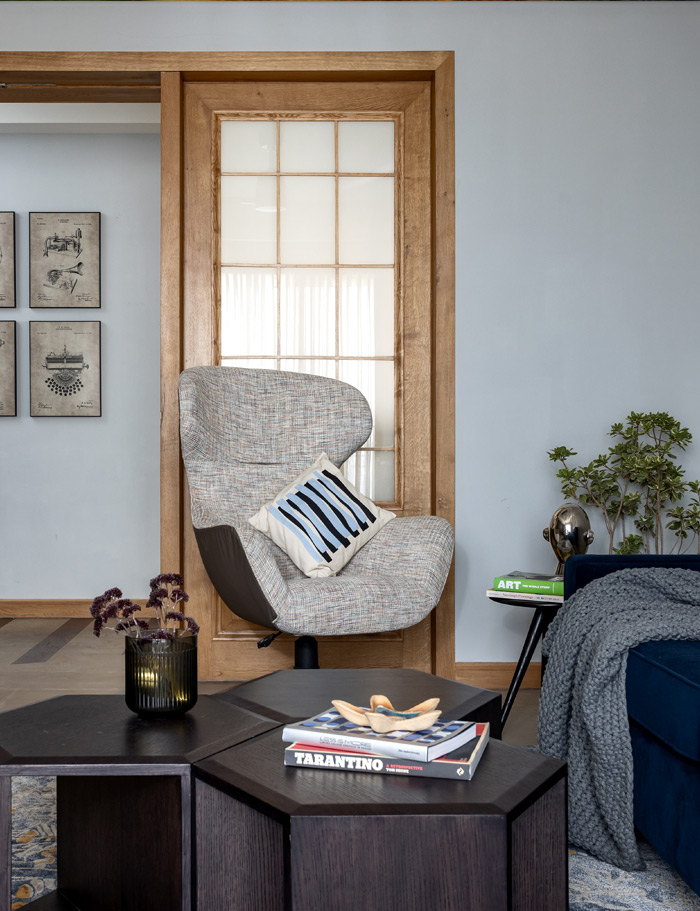
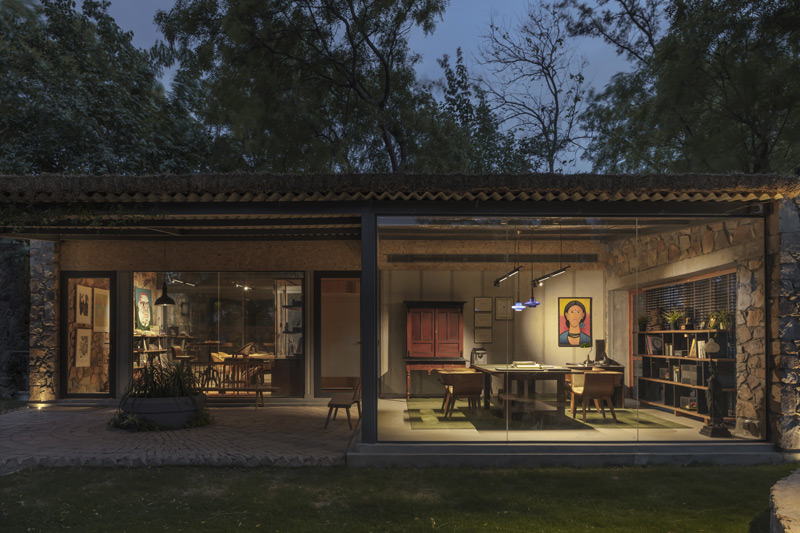
Aalay, one of our residential projects in New Delhi, embodies the concept of a ‘home for all ages’ with a multi-generational family living harmoniously under one roof. From the eldest grandmother to the youngest child, the design caters to the diverse needs of its occupants that span four generations. Spatially, it features a versatile multi-functional area that serves as an informal gathering space and study, anchored by an inviting blue couch that contrasts with warm, earthy tones, fostering comfort and intimacy. This space is enhanced by a concealed bar unit and storage, maximising its practicality. The open-plan layout seamlessly integrates the living room and dining area, enhancing spatial flexibility. Further, the space adorns neutral shades and hues of fabric, flooring, and furnishing that create a serene and timeless ambiance in the house.

The Art of Biophilic Designs: Elevating Workspaces

Biophilic design plays a significant role in redefining corporate culture, one space at a time. In the bustling landscape of modern corporate environments, where the boundary between work and life can often blur, groupDCA works towards a holistic design philosophy that enhances the human-nature connection and makes the built environment more palatable.

We firmly believe in the transformative power of biophilic design for corporate spaces, recognising its profound impact on physical and mental well-being, creativity, and productivity. The biophilic designs integrate natural elements into the built environment, accentuating the connection with nature using natural light, plantations, earthy materials, textures, etc. It enables seamless functioning and also improves the quality of space. Many studies have shown that it reduces stress, enhances cognitive function, and inspires innovation. However, there is more to it that transcends the mere aesthetic—something more experiential and sensory.

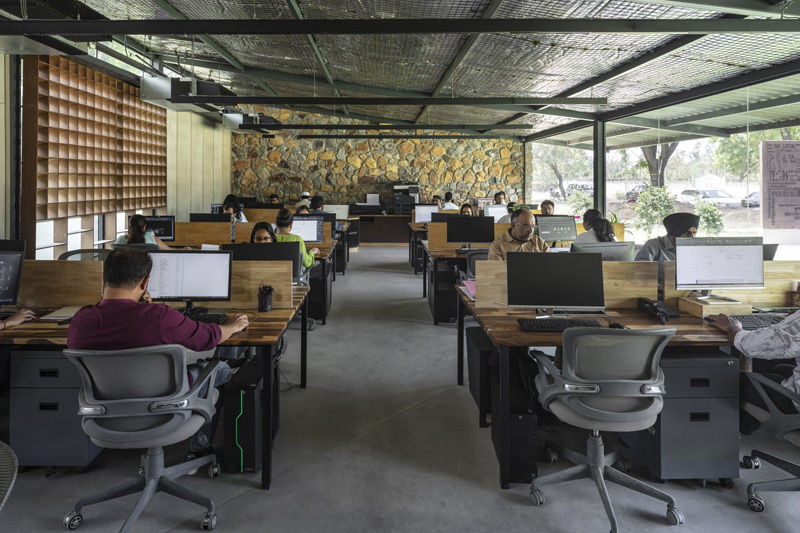
Our project, Visage, a corporate office in Noida, successfully implements this concept. Here, we have seamlessly integrated natural elements to enhance functionality, quality of space, and aesthetics. The innovative use of adjustable fins on the building facade optimises natural light and controls interior temperatures, creating a dynamic and inviting workspace that adapts to varying weather conditions and makes for comfortable interiors. This design enhances productivity and promotes a sense of well-being for occupants.

Building a Sustainable Future: The Collective Pursuit of Environmentally Mindful Design

In the collective pursuit of genuine sustainability, at groupDCA, we are focusing on a journey that extends beyond just looks and passing fads. The commitment spans from the initial concept to the final execution, with the aim of minimising environmental impact while fostering harmony with nature.

To achieve this, we must adopt a holistic approach that considers every aspect of the design process; from site selection to material sourcing and building operation. This includes prioritising passive design strategies to reduce energy consumption, selecting sustainable materials with low environmental impact, and incorporating features that promote water conservation and biophilic design. We must also focus on designing buildings that are adaptable and resilient to the impacts of climate change, engaging with stakeholders and communities throughout the process to ensure the needs and concerns of all parties are addressed. 

Central to this approach is the thoughtful selection of materials. Prioritising locally sourced treasures such as wood, stone, and high-quality fabrics allows for achieving timeless elegance and superior durability. This practice not only reduces transportation costs but also significantly lowers carbon emissions. Embracing innovative materials like cardboard or chipboard panels further promotes circular practices and reduces the ecological footprint.

For us, sustainability aligns closely with our personal design values and ethics. We see sustainable design as a way to create spaces that not only function effectively but also contribute to the health and happiness of occupants while respecting the natural environment. Our larger goals are driven by a desire to leave a positive legacy and to be stewards of the planet for future generations.

Environmentally mindful spaces can also be created with pragmatism, recognising the growing demand for sustainable design solutions from clients and the broader market. Today, with burgeoning cities, it is a necessary aspect of practice to do meaningful work, stay relevant, and compete in an increasingly environmentally conscious world.

Overall, the design fraternity embraces the notion of crafting environmentally mindful spaces infused with sustainable design principles with enthusiasm and dedication. This can be achieved by understanding the role of sustainability in shaping the built environment and committing to making choices that prioritise sustainability, both now and in the future.

Crafting Unforgettable Brand Experiences: The Impact of Retail Design

In the world of luxury, every detail matters. From the texture of fabrics to the ambience of a space, each element contributes to crafting an unforgettable brand experience. At groupDCA, we understand the pivotal role that retail design plays in shaping these experiences, and we’re passionate about using it to redefine luxury retail design.

When we talk about retail spaces, we’re not just about making things look pretty. We’re talking about creating spaces that tell a story—a story that resonates with customers on a deep level. Whether it’s a flagship store, a boutique, salon, or a speciality store, our goal is to use design to convey the brand’s values, heritage, and identity.

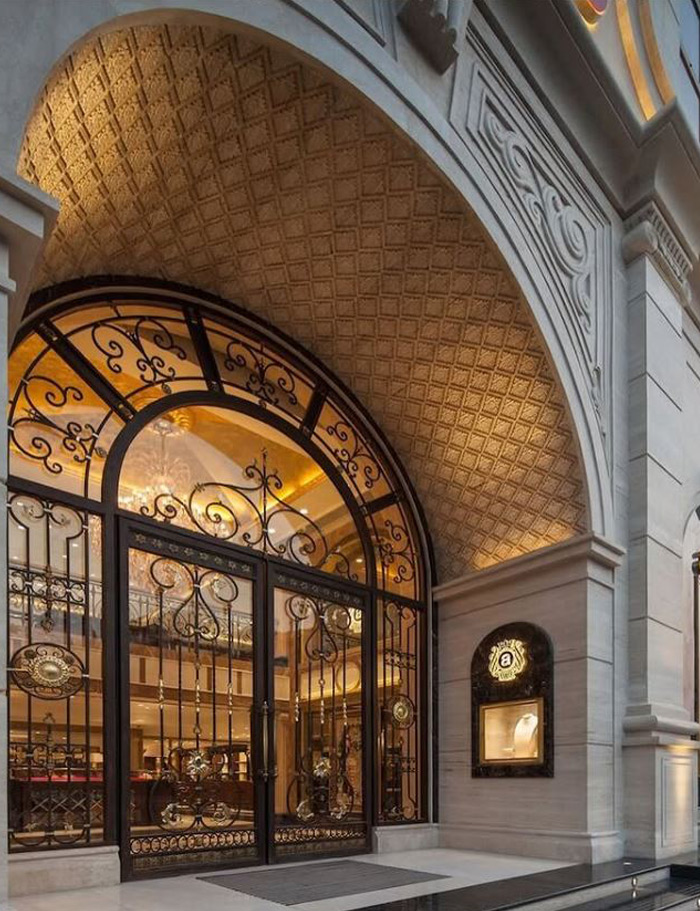
For instance, the Anand Jewels store in Bhopal exemplifies this philosophy. Drawing inspiration from India’s rich heritage, we crafted a space that blends traditional charm with contemporary design, immersing patrons in a journey of discovery. From the vibrant hues inspired by Indian weddings to the meticulously detailed bespoke elements, every aspect of the store has been thoughtfully curated to evoke opulence and luxury. Similarly, the Panerai Jio World Plaza boutique in Mumbai captures the essence of the renowned watch brand, creating an environment that reflects its spirit of innovation and adventure. These examples illustrate the power of design in creating spaces that showcase products, tell a compelling story, and connect with users on an emotional level.

One of the fundamental principles of good design is simplicity. True luxury lies in simplicity in a world filled with noise and clutter. We strive to create clean, elegant, and uncluttered designs and want our spaces to feel calm and serene, like fresh air in a chaotic world. On the contrary, simplicity doesn’t only mean boring; we also believe in the power of architectural ingenuity. Luxury is about innovation and creativity, and seeking new ways to push the boundaries of design is essential at every step of the way. Whether experimenting with new materials, exploring innovative layouts, or incorporating cutting-edge technology, the design fraternity constantly strives to create beautiful and functional spaces.

Longevity is another significant value for us. Luxury shouldn’t be disposable—it should stand the test of time. That’s why focusing on creating timeless and enduring designs is essential. Spaces should be curated to feel just as relevant and inspiring ten, twenty, or even fifty years from now as they do today.

Lastly, the value that binds all values discussed above is the power of emotion. Luxury isn’t just about what you see or touch but how you feel. That’s why designers put so much thought and care into every aspect of their designs, from the lighting and furniture to the colours and textures. They want their spaces to evoke a visceral response, to make people stop and think, “Wow, this is special.”

In conclusion, retail design’s impact on brand experiences must be balanced. From conveying values and identity to evoking emotion and inspiring awe, retail design plays a central role in shaping how people perceive and interact with luxury brands.

The Art of Dining: How Restaurant Decor Shapes Customer Experience

In today’s competitive culinary landscape, restaurants are evolving beyond mere purveyors of sustenance. They are transforming into experience-driven destinations, vying for customer attention in a crowded marketplace. Unlike utilitarian spaces such as offices, restaurants are now offering a unique experience, making them inherently customer-centric. To truly stand out, restaurateurs are placing a strategic bet on the power of decor. This focus on design transcends aesthetics- today, it is all about carving out a distinct niche and forging a memorable narrative through a multi-sensory approach that resonates with the diners. 

A thoughtful and engaging restaurant design is one that strategically curates visual intrigue, sound, aroma, and even tactile elements – it orchestrates a symphony of senses that elevates the dining experience beyond the plate. Spatial branding in restaurant decor acts as a crucial differentiator, shaping the brand narrative and fostering a seamless connection with the diner. Much like how a club relies on its distinctive atmosphere to cultivate its identity, a restaurant requires a robust design language to elevate its brand and etch itself in the customer’s memory.


How Multifunctional and Inclusive Spaces Cultivate Diversity in Workplace Designs

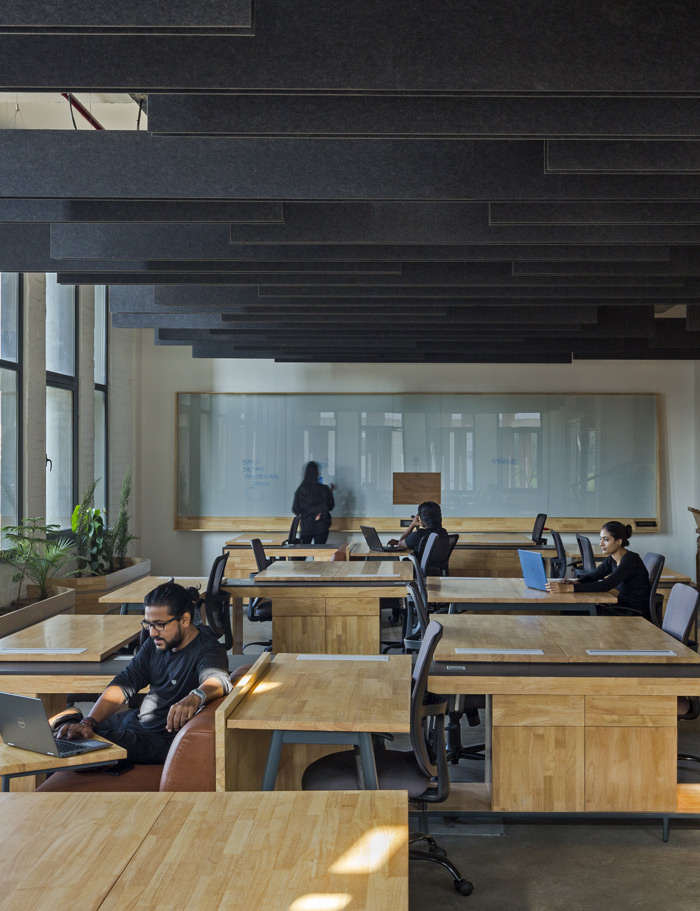
Imagine a workplace no longer confined to rows of identical cubicles. Instead, visualise a vibrant tapestry woven from focus rooms with soundproofing and adjustable lighting for deep concentration, collaborative zones featuring integrated whiteboards and mobile furniture to ignite brainstorming sessions, and comfortable lounge areas perfect for informal meetings and impromptu idea exchange sessions. This design approach has rapidly become the norm for ‘new-age workplaces.’ 

The hallmark of multifunctional design lies in its ability to offer a symphony of spaces, allowing employees to choose their work environment based on the task at hand, fostering not only efficiency but also a sense of agency and control. The contemporary Indian workplace in tier-1&2 cities is undergoing a metamorphosis, transitioning from rigid, compartmentalised spaces to a dynamic arrangement that celebrates multifunctionality and inclusivity. This shift envisions a vibrant ecosystem that caters to diverse workstyles and individual needs, ultimately enhancing productivity and employee well-being. 

The monotonous cubicle farm is a relic of the past. Designing a variety of workspaces and prioritising inclusivity fosters a sense of belonging and empowers employees. This, in turn, fuels collaboration, innovation, and, ultimately, a more robust company culture. Modern workplaces embrace a free-flowing layout, segmented into distinct yet interconnected zones through strategic furniture placement and designated areas. Functional zoning catering to a spectrum of work styles helps employees choose their environment based on the task at hand, providing agency and ownership over their workday.  

Inclusivity is a cornerstone of multifunctional design. This concept extends beyond open-floor layouts and contemporary aesthetics, demanding the creation of a space that caters to the diverse needs of its occupants. For instance, accessible workstations with adjustable heights and integrated assistive technologies ensure comfort and functionality for individuals with varying requirements. At the same time, designated DND rooms and sleeping pods acknowledge the importance of time management and well-being for a broader range of employees. Ultimately, the responsibility to orchestrate this symphony of multifunctional and inclusive spaces is manifested through strategic planning. It transforms the workplace into a genuinely community-focused space and ensures that every employee is valued and their well-being is prioritised.