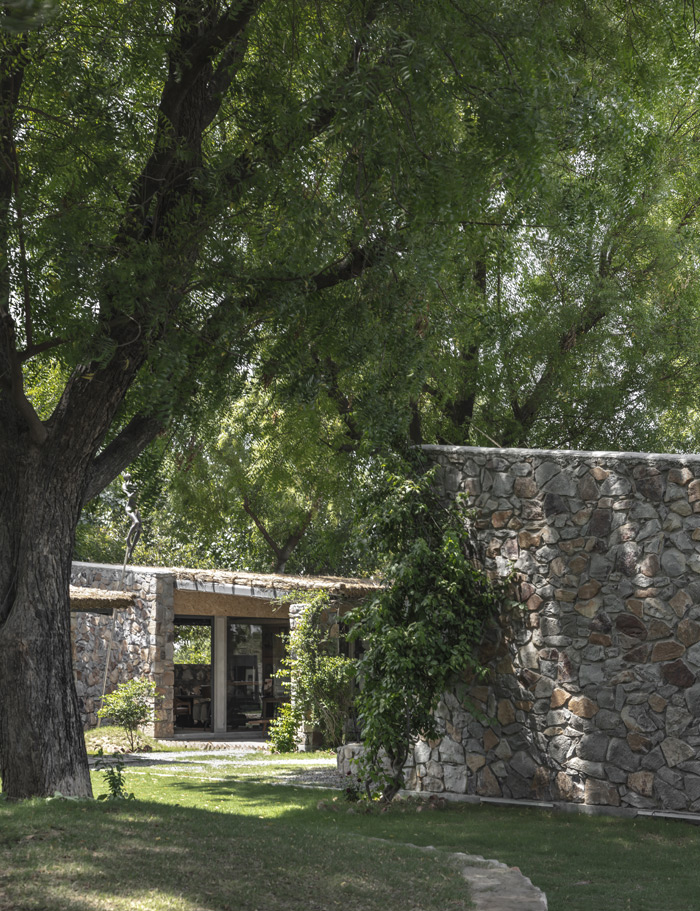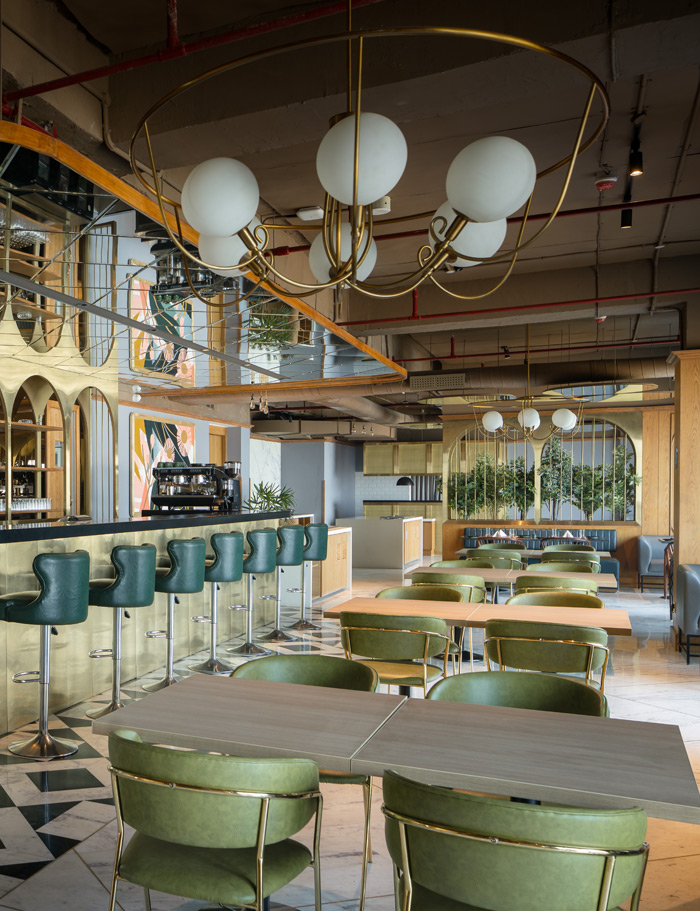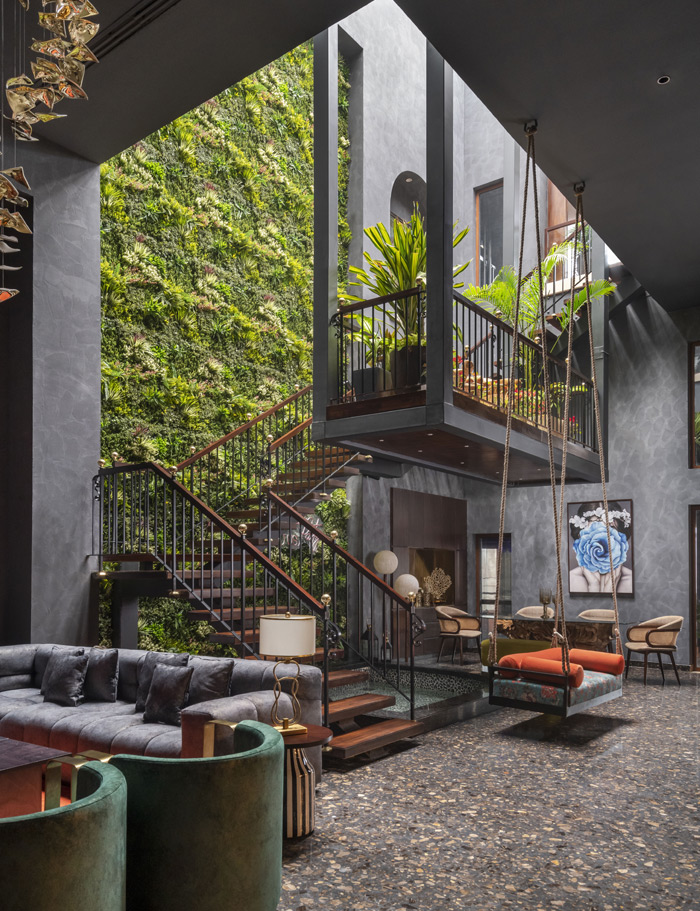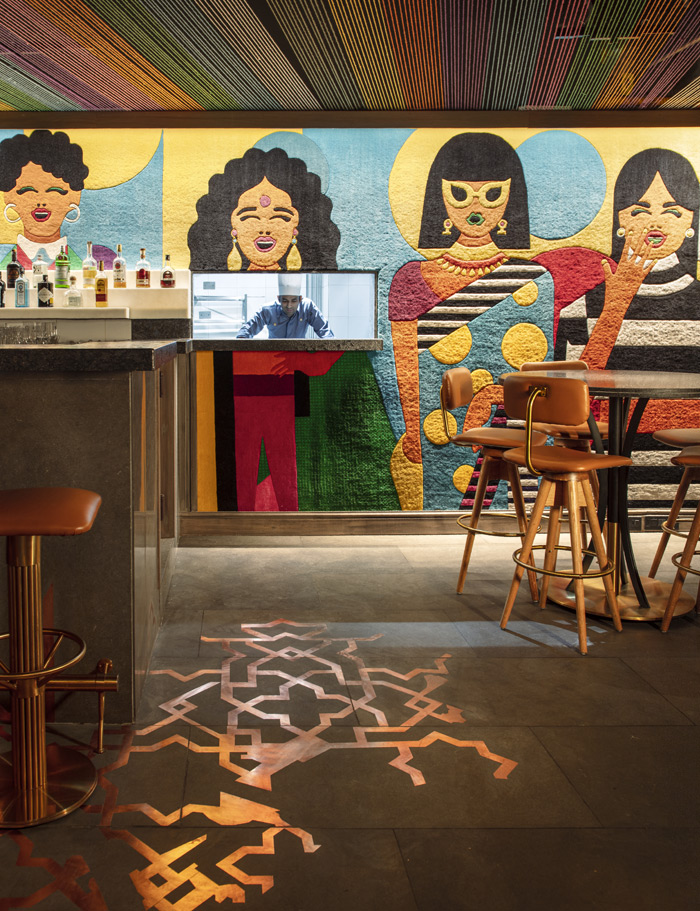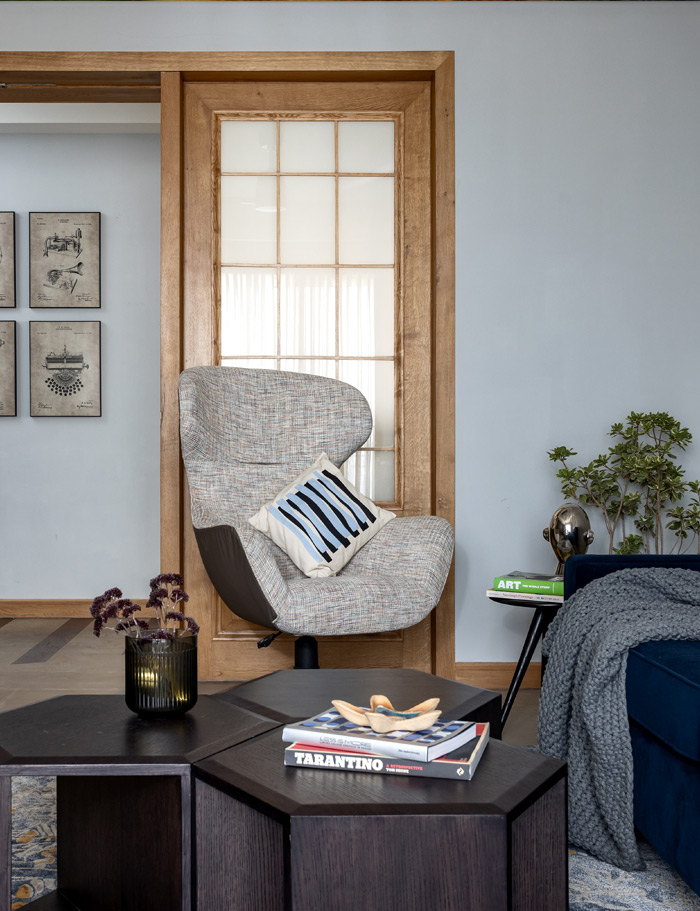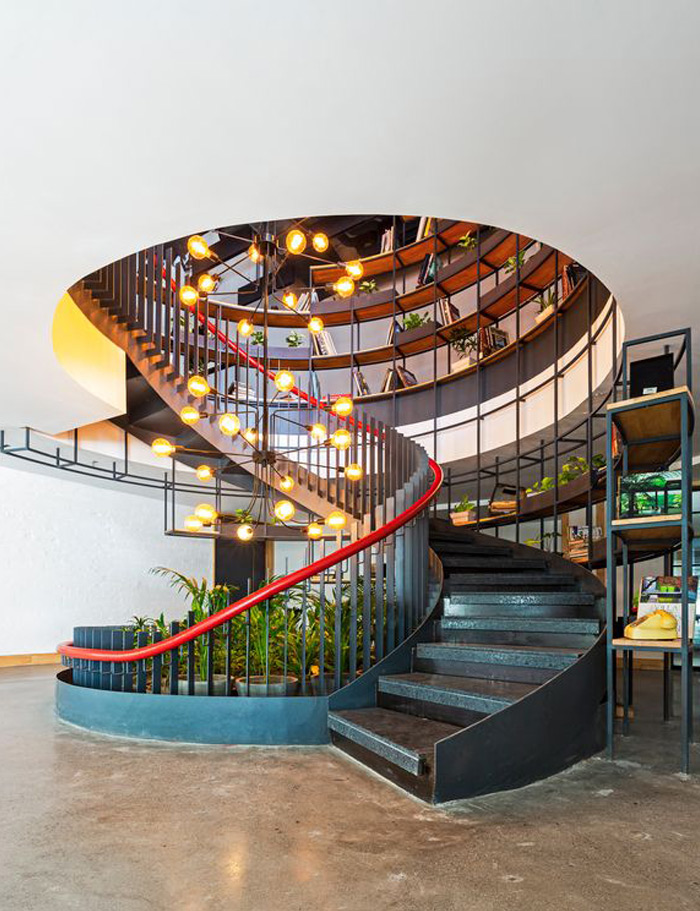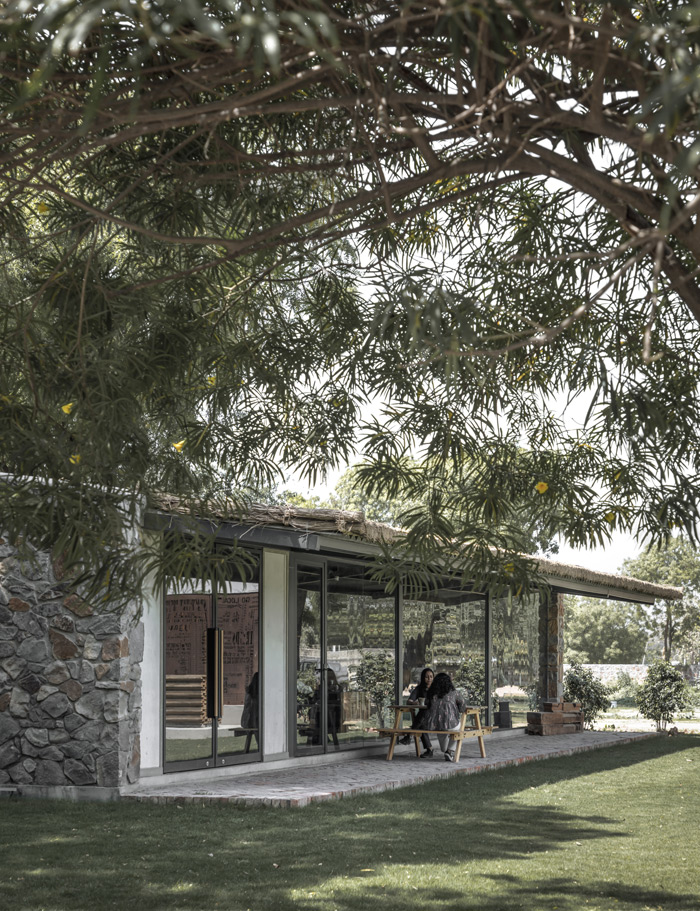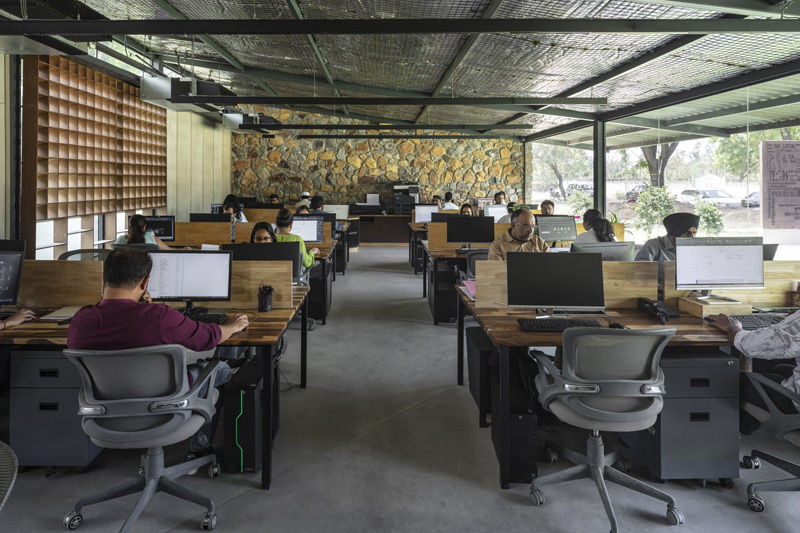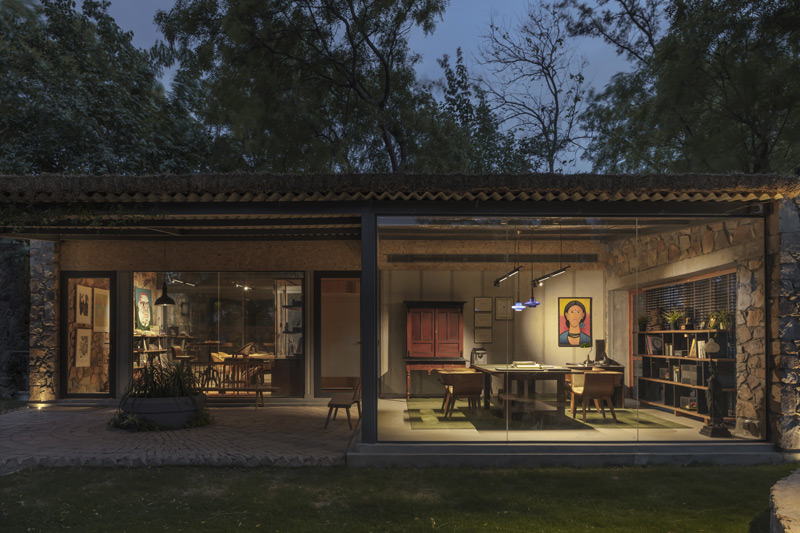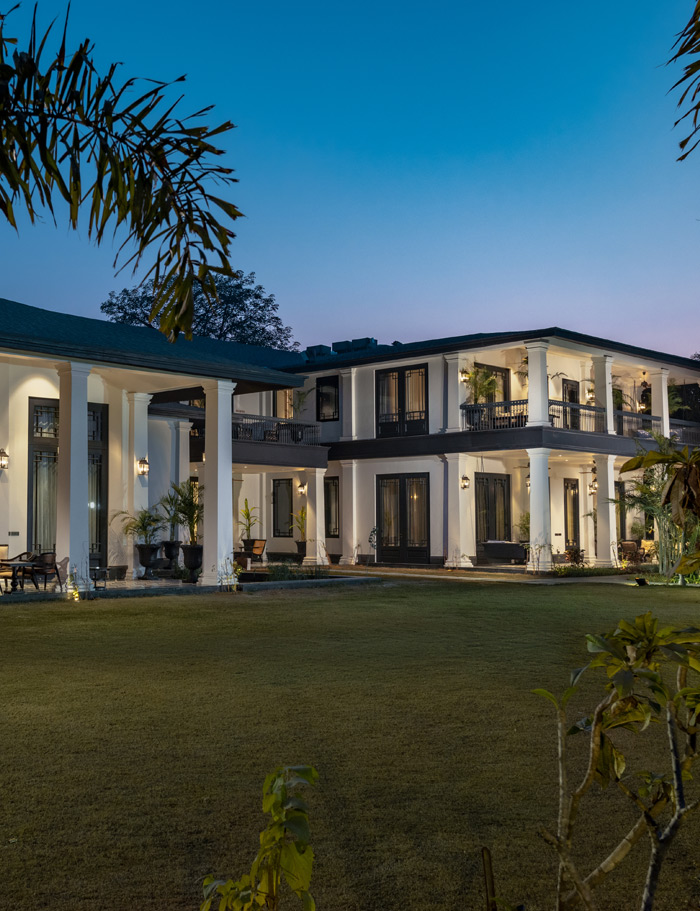
Caption: Wrap-around spaces at the House of Verandahs, New Delhi, seamlessly connect the indoors with nature.
For centuries, verandahs and courtyards have been integral to Indian architecture, shaping how homes across the subcontinent. Whether in the form of the airy aangan of a traditional haveli, the sprawling thinnais of Chettinad mansions, or the shaded spaces of colonial bungalows, these elements were more than mere architectural features. They facilitated community interactions, acted as climate-responsive design solutions, and provided a seamless transition between the public and private zones.
However, as urbanisation took hold, these spaces gradually disappeared from modern residential designs. The push for high-density housing, coupled with a preference for enclosed, air-conditioned interiors, led to homes that were more inward-looking and detached from nature. Yet, in 2025, there is a renewed appreciation for the wisdom embedded in traditional design principles. In an era that seeks balance—between built and natural environments, between heritage and modernity—verandahs and courtyards are making a well-deserved comeback.
Bringing Back the Semi-Open Home
This resurgence is not limited to aesthetics but is about reintroducing an architectural philosophy, prioritising comfort, well-being, and sustainability. Verandahs and courtyards serve as passive climate-control mechanisms, mitigating heat gain, improving cross-ventilation, and reducing reliance on mechanical cooling. They create flexible, in-between spaces where nature and architecture intertwine, offering shaded retreats for relaxation and social interaction. More importantly, they redefine how we experience a home—blurring boundaries between indoors and outdoors and creating a deeper connection with the surrounding environment.